
Q1: What types of gas stoves are there? How do I choose?
A1:Common gas stoves are divided into the following types by installation method and function:
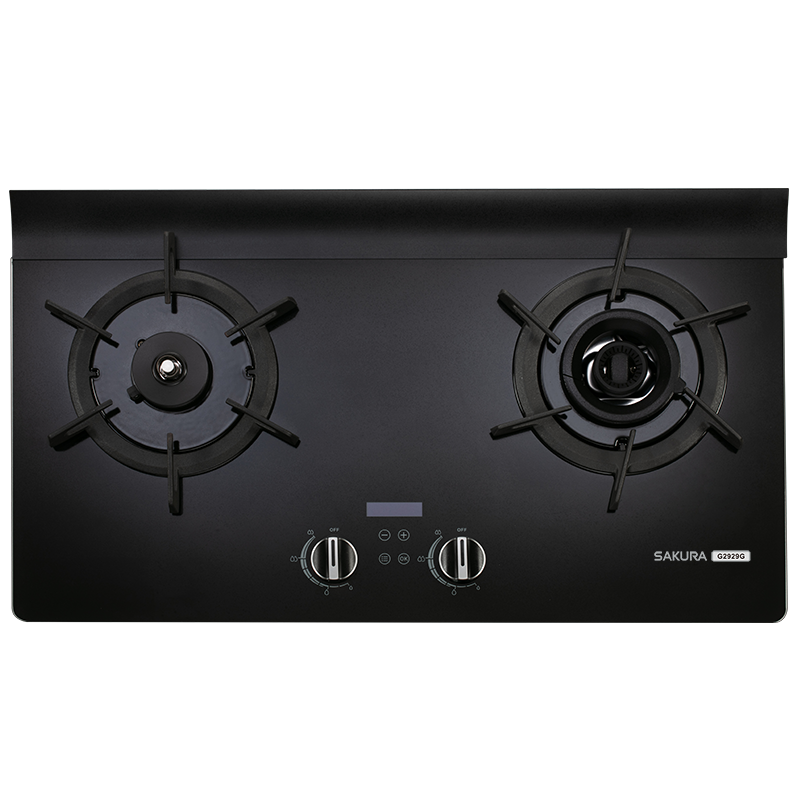
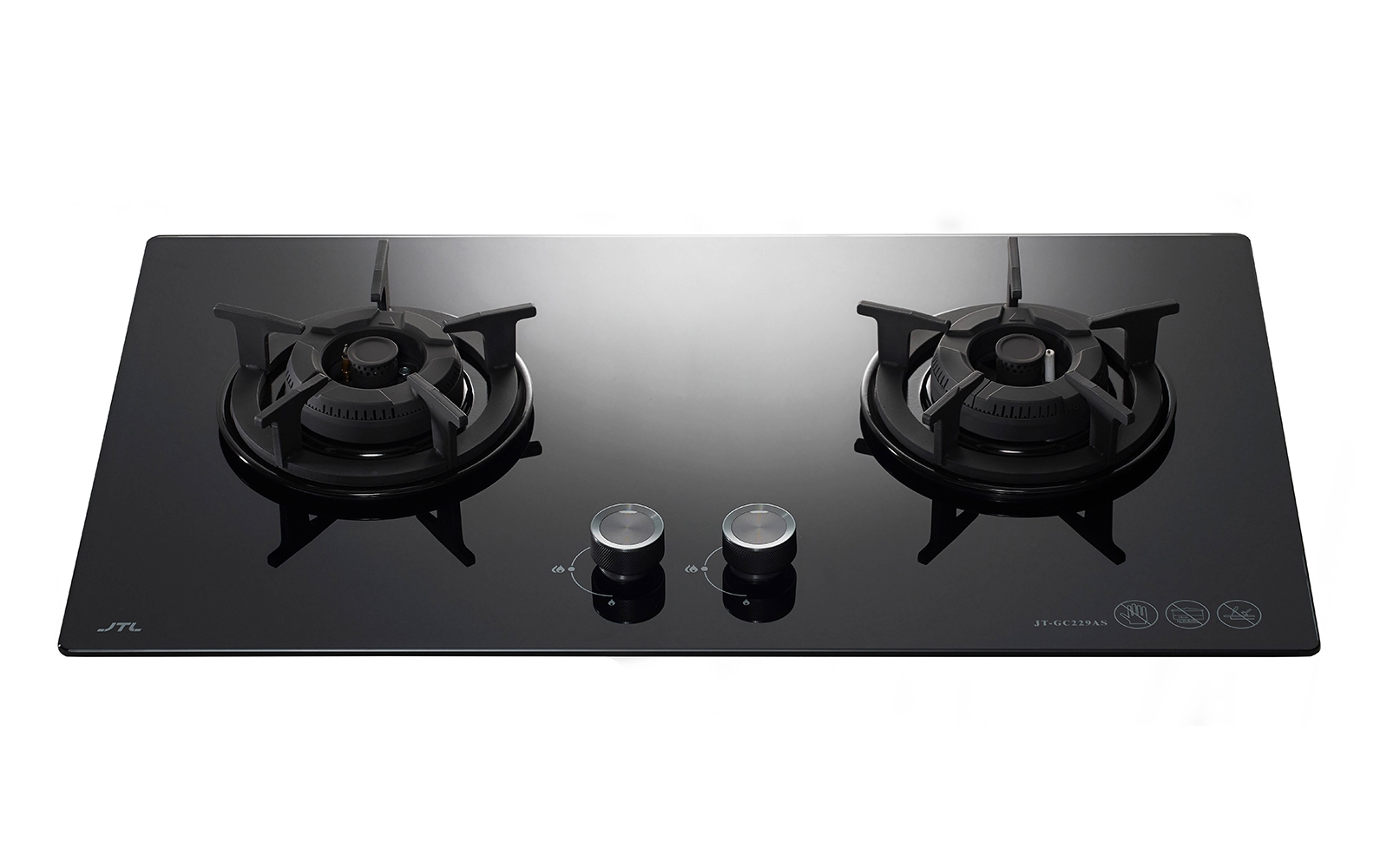
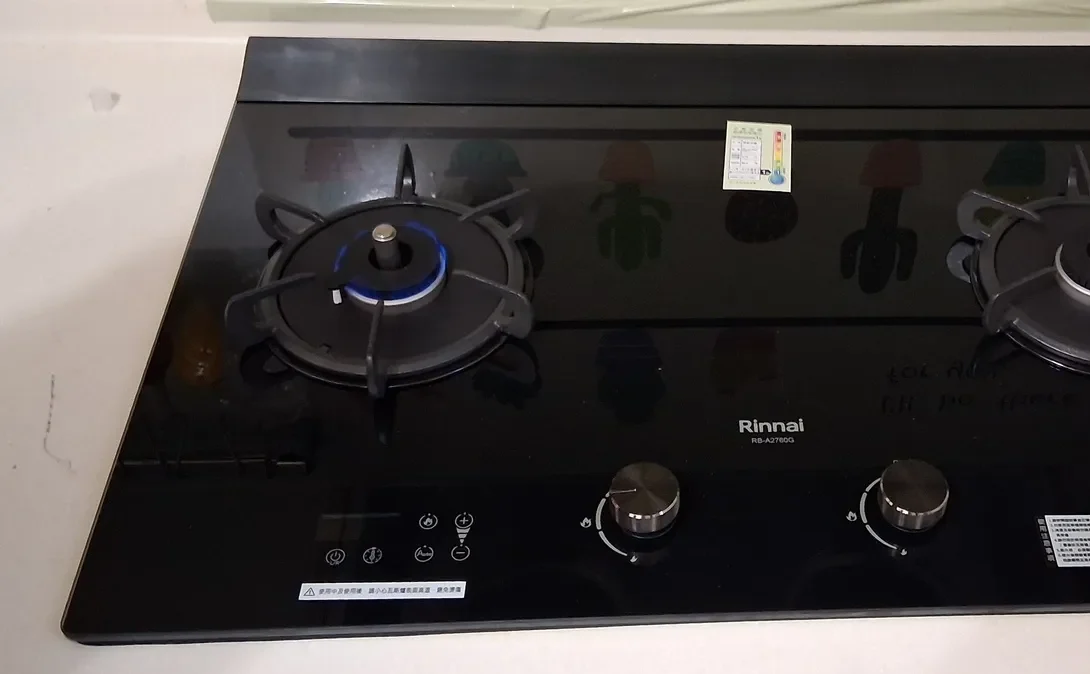
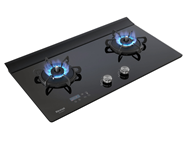
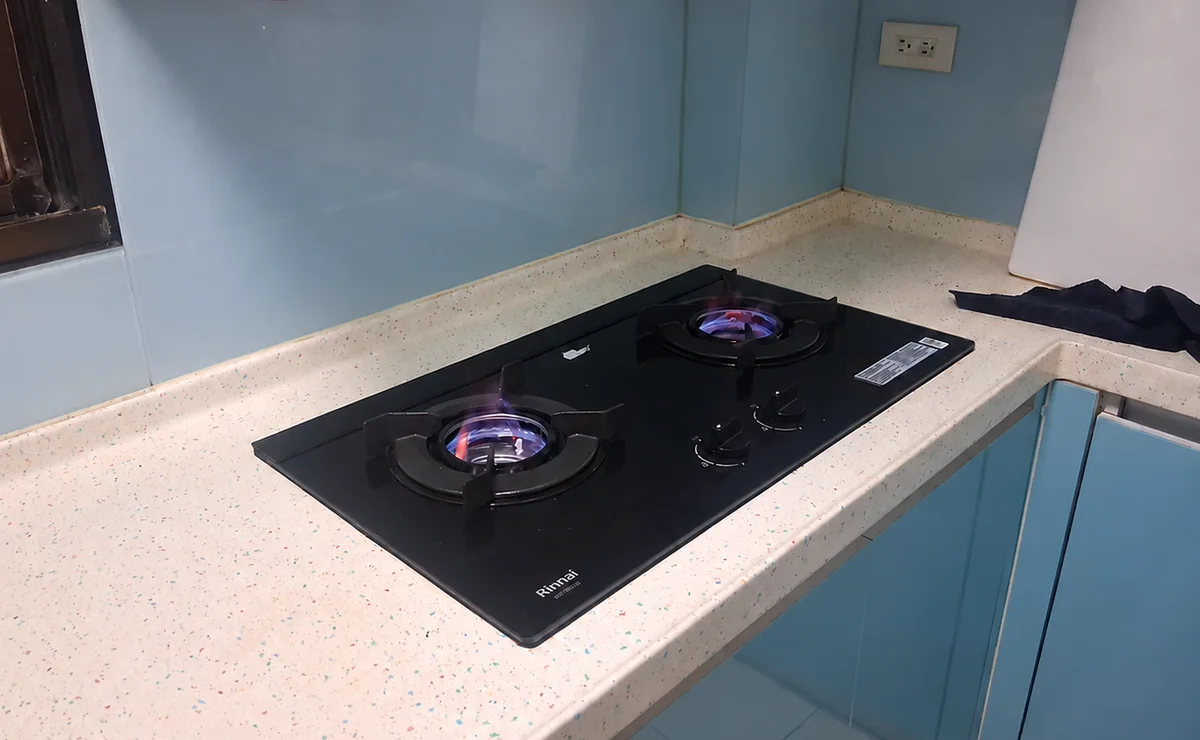
Countertop stove:Installed on top of the kitchen countertop, with the control knobs also on the countertop. Attractive and easy to clean, it is the mainstream choice for modern kitchens.
Built-in gas stove: The controls are on the cabinet panel below, giving a well-integrated look.
Freestanding stove (tabletop type): Movable and requires no built-in installation, suitable for older kitchens without a built-in cut-out.
Material choice:
Tempered glass surfaces (attractive and easy to clean) and stainless steel surfaces (durable and easy to maintain).
Number of burners: Choose a single, double or triple burner depending on household size and cooking habits.
When buying, we recommend considering: “gas type”, “frequency of use”, “budget” and “whether the stove size fits your existing space”.
Q2: Can natural gas (NG1/NG2) and bottled gas (LPG) be used interchangeably?
A2:Absolutely not! The two have different pressures and different burner designs. If you choose the wrong type, at best it won't ignite properly; at worst it will produce yellow flames and carbon build-up, or even become dangerous.
If you are buying a new stove, please confirm which gas type your home uses. Choosing the wrong one means it won't work and can be dangerous.
Q3: Does a gas stove need to be installed by a professional? Can I install it myself?
A3:We recommend installation by a professional holding a “Specified Gas Appliance Installation and Repair Technician” licence to ensure airtightness, proper flame adjustment and electrical safety. If you install it yourself and the hose or connectors are not handled properly, it could lead to gas leaks, carbon monoxide poisoning or fire. Safety must not be overlooked.
Q4: Why is my gas stove flame unstable or fluctuating?
A4:Common causes include
Q5: Can a glass-top gas stove explode? Is it safe?
A5:All glass tops use tempered glass that has undergone strict heat-resistance testing, and they are very safe under normal use.
Simply avoid hitting the edges or surface of the glass directly with heavy objects, and you can use it with peace of mind.
Q6: My gas stove won't ignite at all. What can I check myself first?
A6:Please try the following basic checks first:
Q7: How often should a gas stove be replaced?
A7:The generally recommended service life is 7-10 years, though it actually depends on frequency of use and maintenance. We recommend replacing it if any of the following occur:
Q8: Can I replace my gas stove with an electromagnetic hob or induction cooktop?
A8:If your home has no gas supply or you prefer a flame-free environment, you can consider an electromagnetic hob or induction cooktop.
However, note the following:
Power supply: A dedicated 220V power circuit must be installed (usually a dedicated 5.5-8mm² line).
Cookware restrictions: Must be used with flat-bottomed, magnetic (induction-compatible) cookware.
Cooking habits: Not suitable for dishes that require tossing the wok off the flame for high-heat stir-frying.
Q9: How do I clean a gas stove properly?
A9:
Wipe it down after every use: While it's still warm, wipe with a damp cloth and neutral detergent to prevent grease from drying and hardening.
Clean the flame ports regularly: Remove the pan supports and copper burner caps, and clear blocked flame ports with a gas port cleaning needle, fine wire or an old toothbrush.
Avoid strong acids and alkalis: Do not use steel brushes or strongly acidic or alkaline cleaners, to avoid scratching the glass coating or corroding metal parts.
Keep the burner dry: After cleaning, rinse and wipe dry with a dry cloth. If there are water droplets on the bottom of your pot, wipe them off before placing it on the stove; this can greatly extend the burner's lifespan
Q10: What are the advantages of countertop stoves? Why do new developments all use them? A10: Countertop stoves have a slim body that blends seamlessly into the kitchen once fitted into the countertop, giving a clean, elegant look. The controls are on top of the countertop, so there's no need to bend down, and the seamless surface is extremely easy to clean, making them the favourite of modern kitchens.
Q11: Can an old built-in stove or traditional freestanding stove be replaced directly with a modern countertop stove?
A11: Yes!
Built-in stove to countertop stove: The countertop cut-out dimensions need to be rechecked to see whether the opening can be trimmed or fine-tuned, but the area where the built-in stove's knobs used to be will be left with holes. You may consider sealing the side panel at the same time as replacing the stove.
Freestanding stove to countertop stove: A custom stainless steel platform with a pre-cut opening needs to be made for the top of the existing kitchen cabinets, after which you can easily upgrade to a countertop stove.
Q12: My old gas stove's cut-out is very large. Will today's standard sizes fit?
A12: Yes!
As long as the size difference is within a reasonable range, our technicians can adjust the cut-out on site or use a custom trim panel. We recommend clicking to add our LINE official account, and sending photos of your current stove and cut-out so a professional technician can assess it for you right away.
Q13: Can I buy a replacement pan support separately if mine is broken or rusted?
A13:Yes, it can be purchased separately! Please add us on LINE and provide the “brand”, “full model number” of your current stove along with photos and dimensions of the old pan support. We'll check whether there is stock or original parts available for replacement.
The product information, FAQs and usage advice on this page are compiled from practical experience and common product specifications and are for general reference only.
Different brands, models and on-site installation conditions may vary; actual use and installation methods should follow the manufacturer's specifications and on-site conditions. If you have questions about purchasing, installation or use, please refer to the manufacturer's official information, or provide on-site information so we can help with an assessment.
If anything on this page needs correction or additions, you are welcome to e-mail hc@hc888.com.tw to contact us.
No account yet?
Create an Account