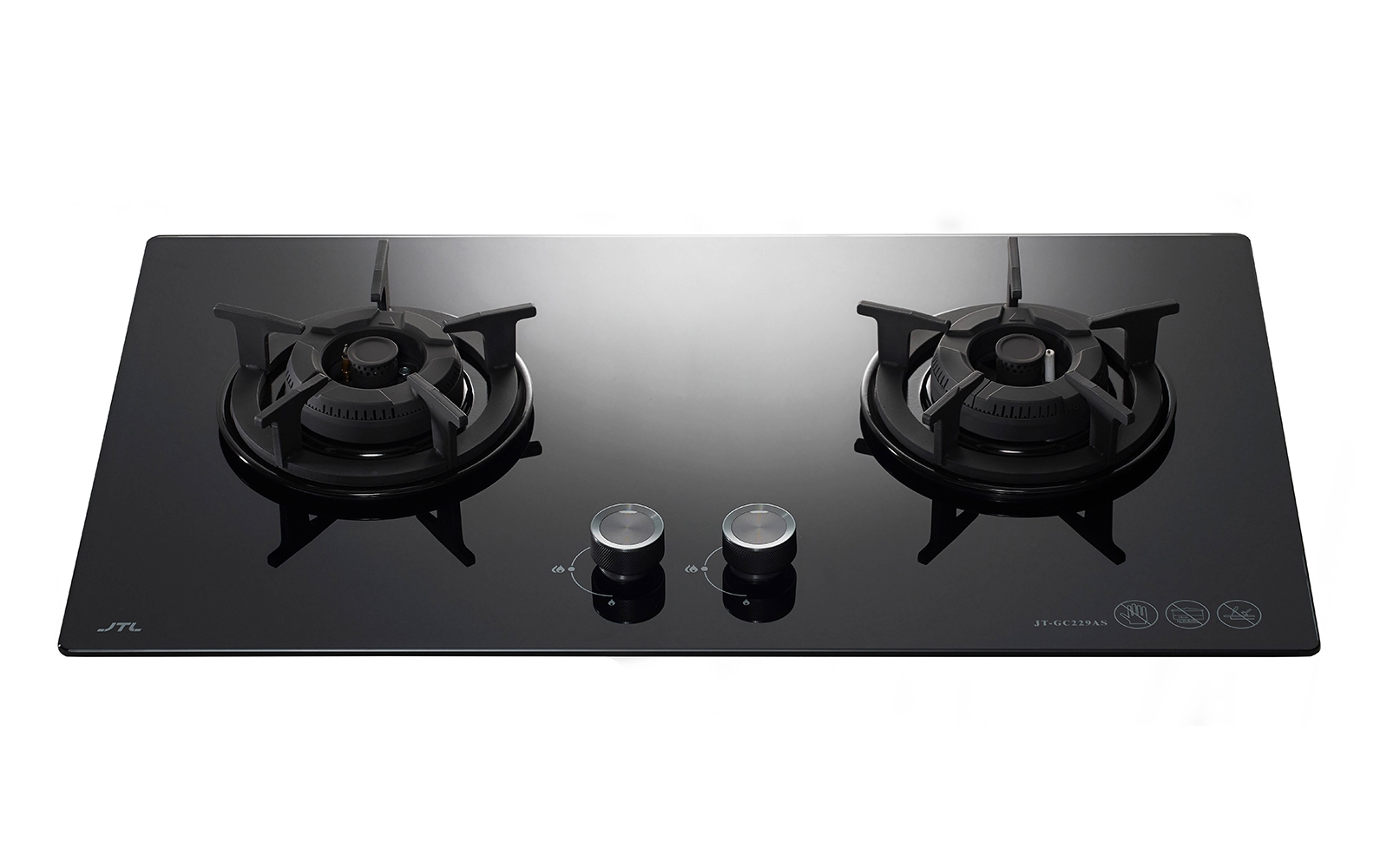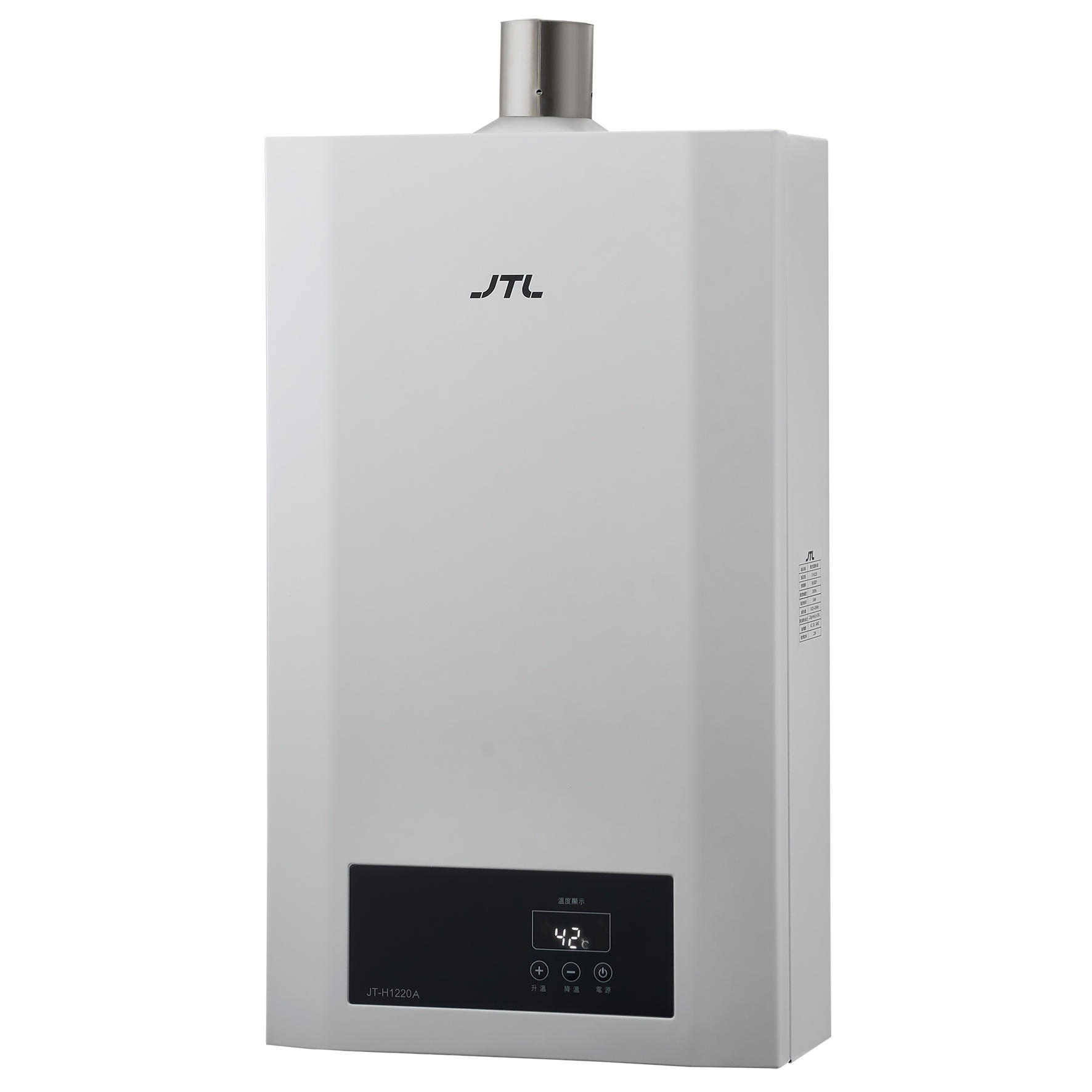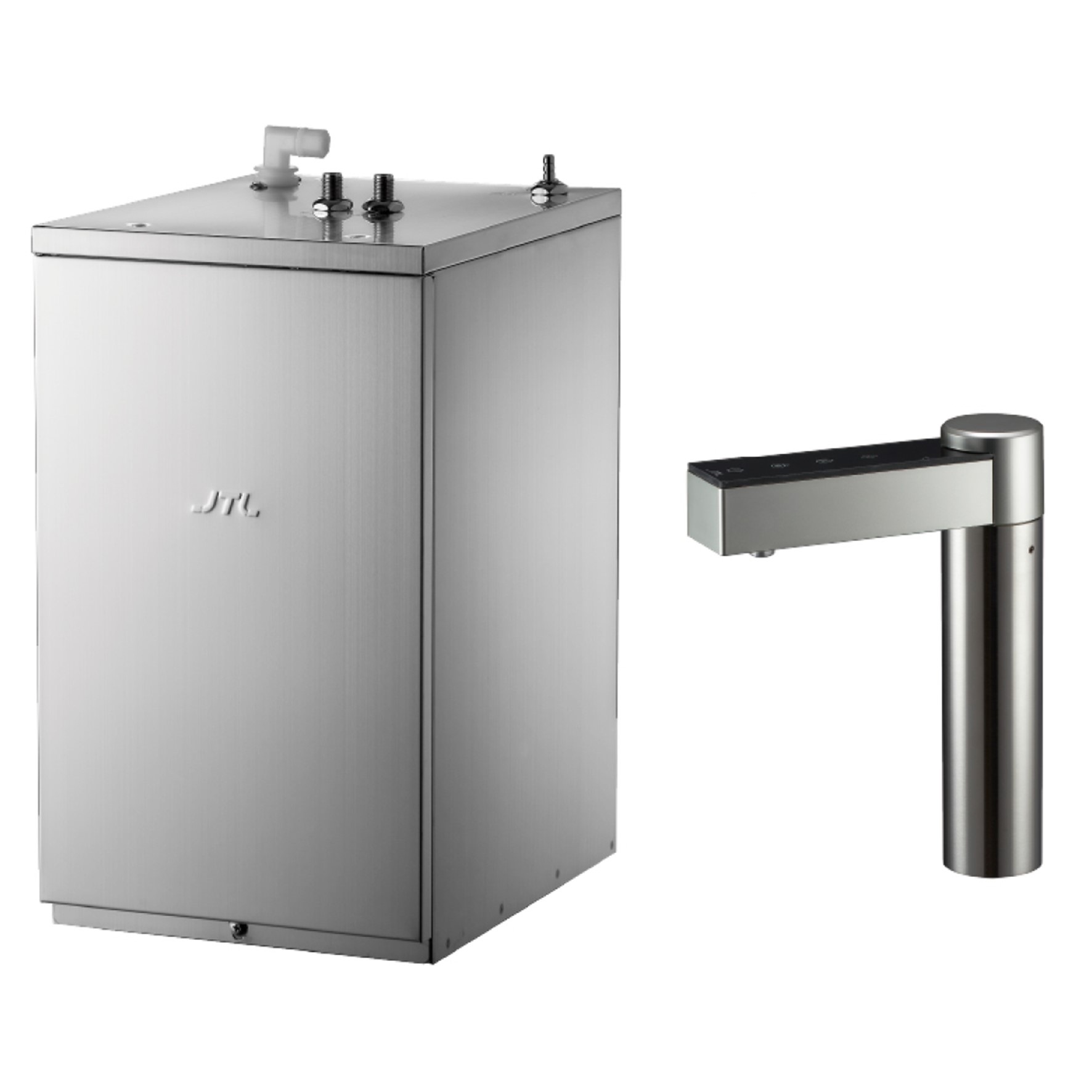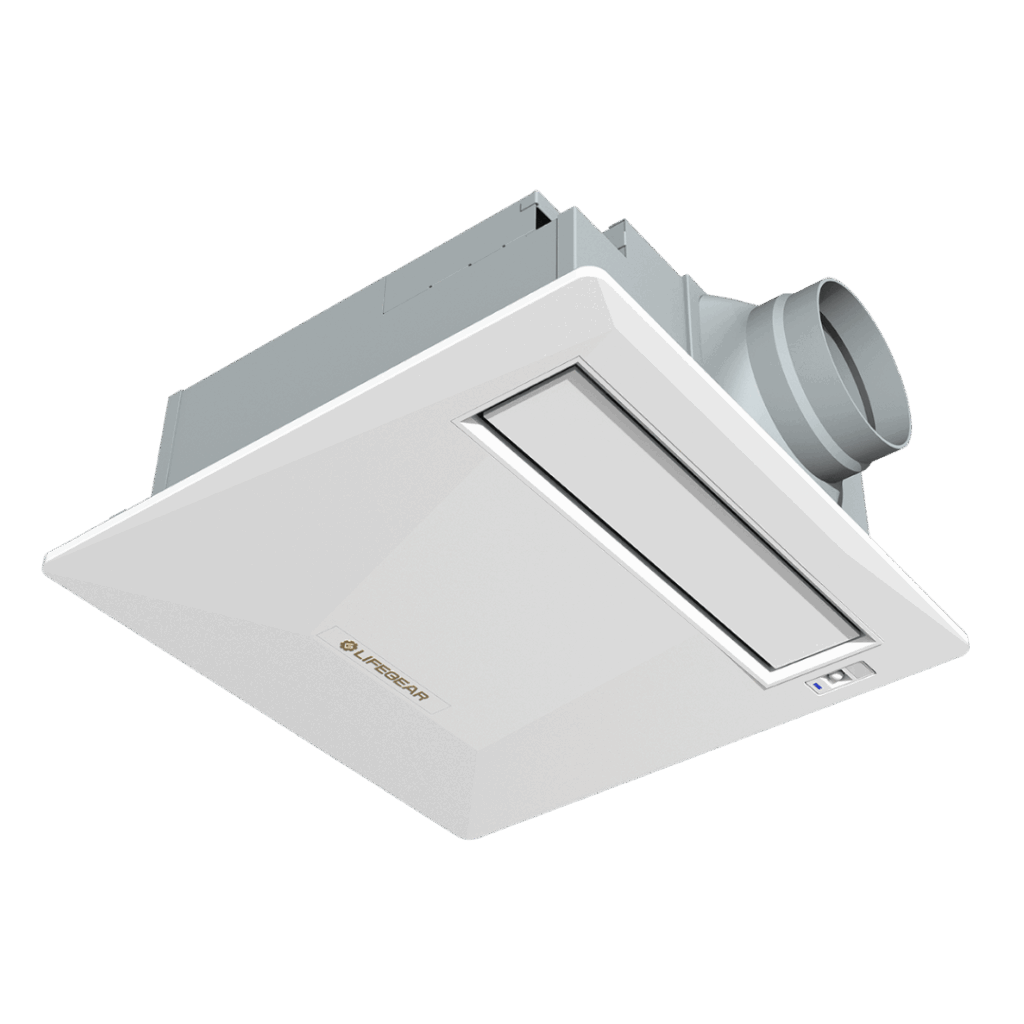


A1:
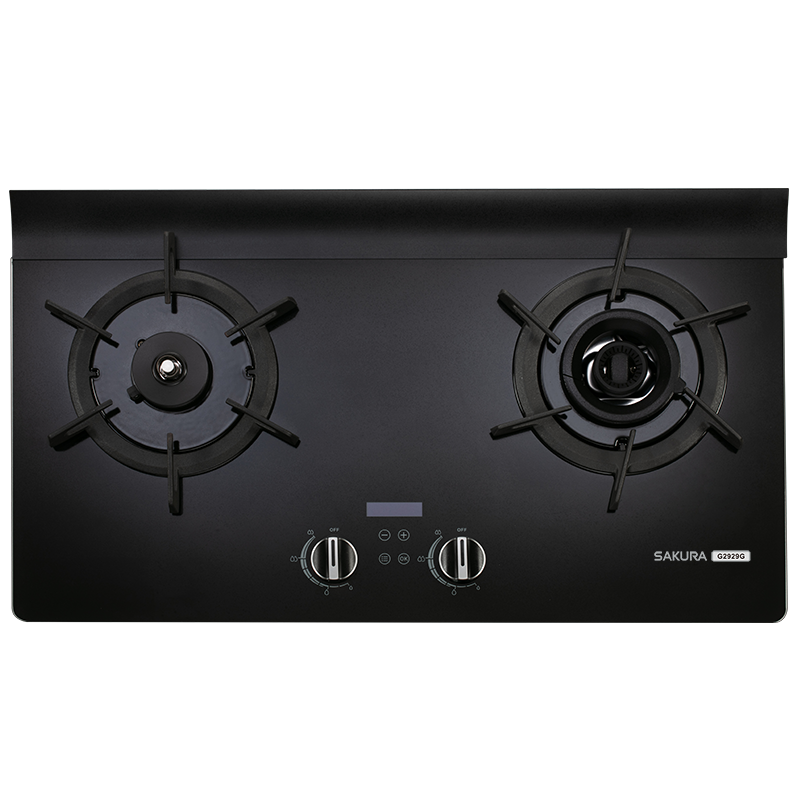
Not necessarily. When moving, besides checking the gas stove's size, you should first confirm whether the type and grade of gas used at your old and new homes match.
Common gas supplies for typical homes mainly include:
Natural gas (NG1, NG2): supplied by natural gas companies through pipelines, common in homes and buildings with existing natural gas lines. Natural gas still comes in different grades, and the supply type differs in some areas; for example, Changhua may have both NG1 and NG2, and NG2 is generally more common south of Chiayi. However, you should not judge solely by location; before buying, moving or installing gas appliances, confirm the actual gas grade supplied with your local natural gas company.
Liquefied petroleum gas (LPG): commonly known as bottled gas, supplied from gas cylinders, and may be used in homes, shops and restaurants.
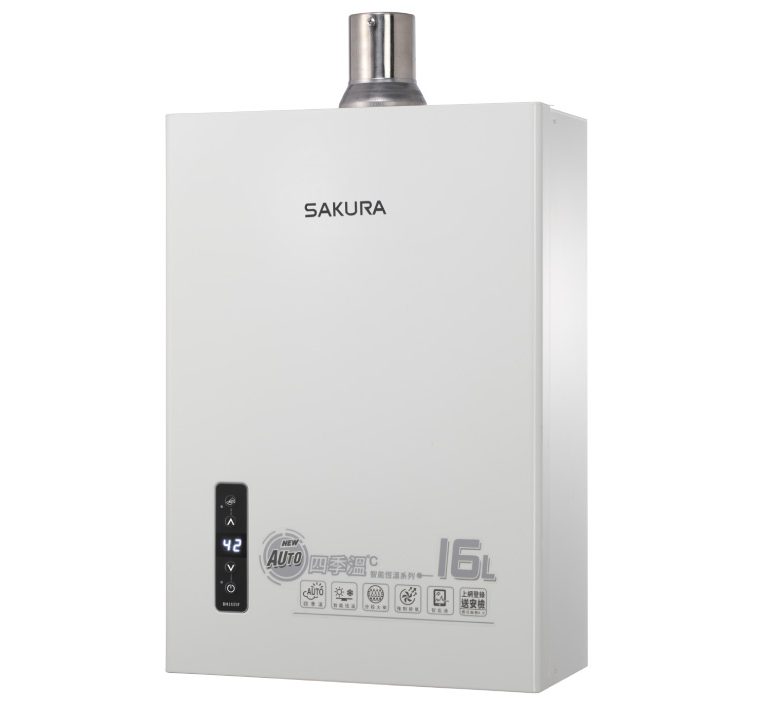
Different gases may differ in supply pressure, combustion characteristics and appliance design, so gas appliances such as stoves and water heaters are labelled with the applicable gas type. Even if both your old and new homes use natural gas, it does not necessarily mean your existing appliances can be used as is.
When moving, buying second-hand gas appliances or changing your gas supply, you can first do two things:
① Check the applicable gas type labelled on the appliance itself.
② Confirm the actual gas type supplied with the gas provider at your new home.
If the two differ, do not replace parts yourself or connect and use the appliance directly. First consult the manufacturer or a qualified professional to confirm whether the model can be converted to the other gas type in accordance with the manufacturer's specifications.
Applies to: natural gas (NG1, NG2) and bottled liquefied petroleum gas (LPG); pay special attention to whether the gas types match when moving or replacing appliances.
A2:
Gas safety is not just about choosing certified products; correct installation, good ventilation and regular inspections are equally important.
When buying gas appliances, choose products that meet national safety standards and have them installed according to regulations by qualified or professionally competent personnel. When using a gas stove, keep the room properly ventilated, and do not leave the flame unattended for long after lighting it, to avoid dry heating or boil-overs that put out the flame.
Gas hoses should also be inspected regularly for hardening, cracking, loosening or other abnormalities, and replaced in good time according to the product material, operating environment and manufacturer's recommendations; a fixed number of years should not be the only criterion.
To further improve home safety, you can also consider installing a suitable gas / natural gas leak alarm or a carbon monoxide alarm, depending on the type of gas used and the environment. The two detect different hazards and cannot replace each other.
If you need to buy, install or replace gas stoves, water heaters or other gas appliances, you can first provide details of the site and let professionals help with an assessment.
Applies to: both natural gas and bottled liquefied petroleum gas (LPG), but detectors and related accessories must be chosen according to the gas type.
Q3:
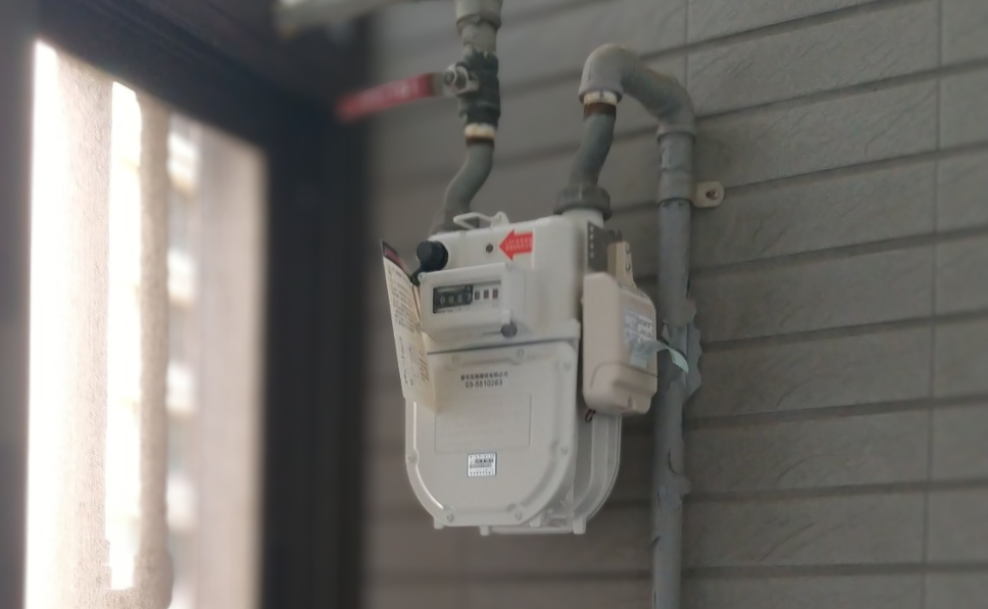
Besides measuring natural gas consumption, microcomputer gas meters also have a safety shut-off function for abnormal gas use. When the system determines that gas usage is abnormal, it can automatically cut off the supply, reducing the risk of an incident escalating.
Common safety mechanisms include:
Please note, however, thatthe actual functions, trigger conditions and reset methods of a microcomputer gas meter depend on the meter model installed and the rules of your local natural gas company.
Applies to: mainly natural gas users; this is not a feature of standard bottled gas cylinders.
A4:
The natural gas and liquefied petroleum gas (bottled gas) commonly used in homes are generally not what we would call “toxic gases”.
Natural gas consists mainly of methane, while bottled gas is mainly propane and butane; none of these is easy to detect by smell. That is why suppliers add a distinctly smellingodorant(odorizing agent) so that users can notice a gas leak early.
But “not being a toxic gas”does not mean inhaling large amounts is harmless. When gas accumulates in large amounts in an enclosed space, besides the risk of fire and explosion, it can also displace oxygen in the air, causing oxygen deprivation and even suffocation.
So if you smell what might be gas, stop using any flames and avoid operating electrical switches that may cause sparks. If it is safe to do so, shut off the gas supply and open doors and windows for natural ventilation, then contact a professional to inspect it.
Applies to: both natural gas and bottled gas.
In many cases, what people commonly call “gas poisoning” actually refers to incomplete combustion causingcarbon monoxide poisoning。
Fuels such as gas and charcoal can produce carbon monoxide when oxygen is insufficient or combustion is incomplete. Carbon monoxide is colourless and odourless, so it is hard for the human body to notice, yet once inhaled it impairs the blood's ability to carry oxygen and, in severe cases, can be life-threatening.
So when using gas water heaters, gas stoves or other gas appliances,ventilation and proper exhaust are extremely important. Gas water heaters in particular must be installed according to their product type and installation standards; you cannot assume it is safe just because “the window is open”.
In short:
Gas leak → mainly a risk of fire, explosion and oxygen deprivation.
Incomplete combustion → mainly a risk of carbon monoxide poisoning.
These two situations are often lumped together as “gas poisoning”, but the actual causes of danger are different.
Applies to: both natural gas and bottled gas.
A6:
Yes, they do, and the size of the CNS number does not indicate how new a product is or its safety level.
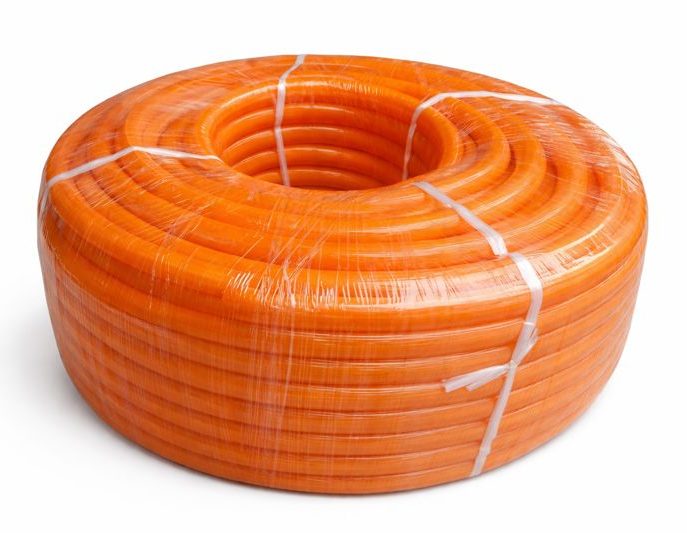
Common rubber gas hoses are covered by different CNS standards, such as CNS 9620 “Rubber Hoses for Gaseous Fuels”and CNS 9621 “Rubber Hoses for Liquefied Petroleum Gas”. The two differ in scope and test items, so you cannot simply judge which is newer or better by the number.
In terms of test items, CNS 9620 sets requirements for construction and materials, as well as for a range of service conditions including pressure resistance, flame resistance, heat resistance, ageing, ozone, oils and detergents.
So when choosing a gas hose, we look not only at the CNS number but also at the type of gas used, the installation location, the hose construction and the actual operating environment.
When buying, consumers should also not assume a hose is safer just because a seller claims it is a “new specification” or “newly certified”, or says “the hose feels thicker” or “the materials are more expensive”. Instead, check the product'scommodity inspection mark, applicable gas, CNS standard and intended use, then choose a suitable gas hose.
More importantly,choose the right application, comply with regulations, install correctly, and regularly inspect the condition of the fittings and hose.
Even hoses that meet more test requirements will gradually age due to years of use, ambient temperature, grease, pulling and other conditions. So you should still routinely watch forhardening, cracking, deformation or loose fittings; if you suspect a leak, you can also apply soapy water or a suitable leak-detection solution to the fittings and check for continuous bubbles.
If anything abnormal is found, stop using it and have a professional inspect it, replacing it directly if necessary. Do not skip ongoing inspection and maintenance just because a product bears a CNS mark.
Applies to: natural gas and bottled liquefied petroleum gas (LPG) each have their own applicable hoses and standards; choose according to the actual gas type and installation environment.
A7:
You can do a simple safety check first, butdo not use lighters, matches or any open flame to look for the leak。
If you suspect a gas hose fitting is leaking, and it is safe to do so, turn off any unnecessary flames and apply soapy water or a suitable leak-detection solution to the fitting to observe it. If bubbles keep forming, there may be a leak.
But if you already smell a strong, obvious gas odour, the priority is not to keep looking for the leak. Instead, first avoid flames and operating electrical devices that may spark, shut off the gas supply if it is safe to do so, ventilate naturally and leave the danger area, then contact your gas supplier or a professional.
Applies to: Applies to: natural gas and bottled liquefied petroleum gas (LPG); if the gas smell is strong or the source cannot be identified, we do not recommend dismantling equipment yourself to inspect it.
A8:
Not necessarily. Both gas and electricity carry their own usage risks; you cannot simply assume that gas appliances are more dangerous than electric ones just because gas burns.
Gas appliances require attention to leaks, combustion, ventilation and exhaust; electric appliances require attention to power capacity, wiring layout, current leakage, short circuits and overheating.
Today's certified gas appliances usually have various safety mechanisms depending on the product type, such as flame-failure safety devices and abnormal combustion protection; electric products also have protection against current leakage, overheating and other hazards. All these devices are designed to reduce the risk of accidents when something goes wrong.
So what really affects safety is not just the choice between “gas” and “electric”; more importantly, it isusing certified products, installing them correctly according to regulations, and using and inspecting them regularly as instructed.
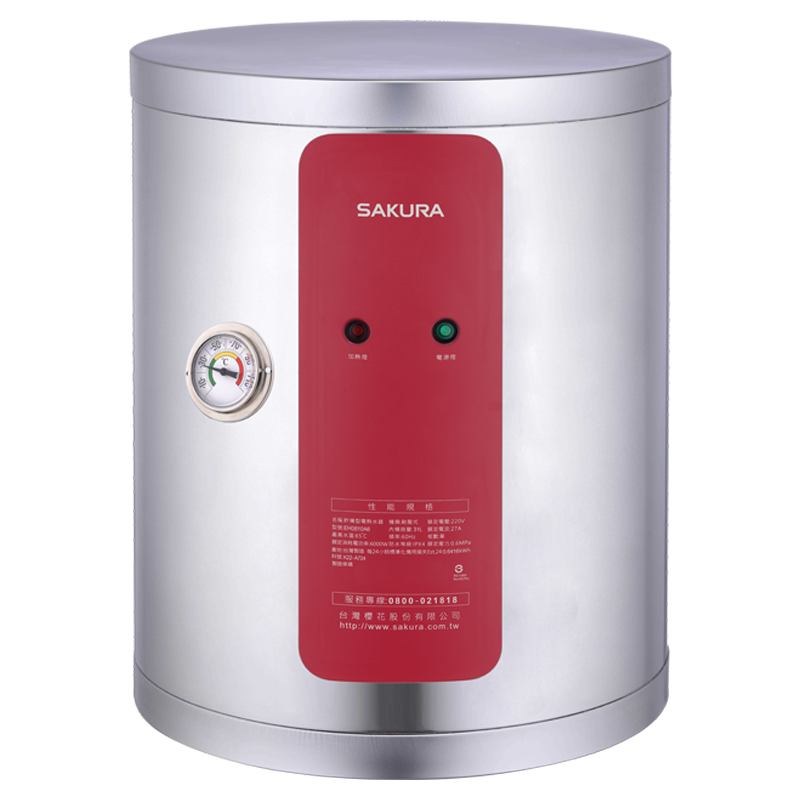
Some new developments adopt an all-electric residential design with no natural gas lines, so residents can only choose equipment such as induction cooktops and electric water heaters. This kind of planning can reduce some of the risks associated with using gas in the home, butit does not mean “using electric appliances = no safety risk”, and you cannot simply judge whether gas or electricity is definitely safer.
Whatever energy source you use, understanding the equipment's risks, installing it correctly and developing good usage habits are the more important foundations of home safety.
Applies to: consumers comparing gas stoves with induction cooktops or gas water heaters with electric water heaters, or simply worried about whether “using gas is more dangerous”.
The product information, FAQs and usage advice on this page are compiled from practical experience and common product specifications and are for general reference only.
Different brands, models and on-site installation conditions may vary; actual use and installation methods should follow the manufacturer's specifications and on-site conditions. If you have questions about purchasing, installation or use, please refer to the manufacturer's official information, or provide on-site information so we can help with an assessment.
If anything on this page needs correction or additions, you are welcome to e-mail hc@hc888.com.tw to contact us.
No account yet?
Create an Account