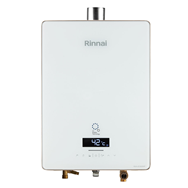

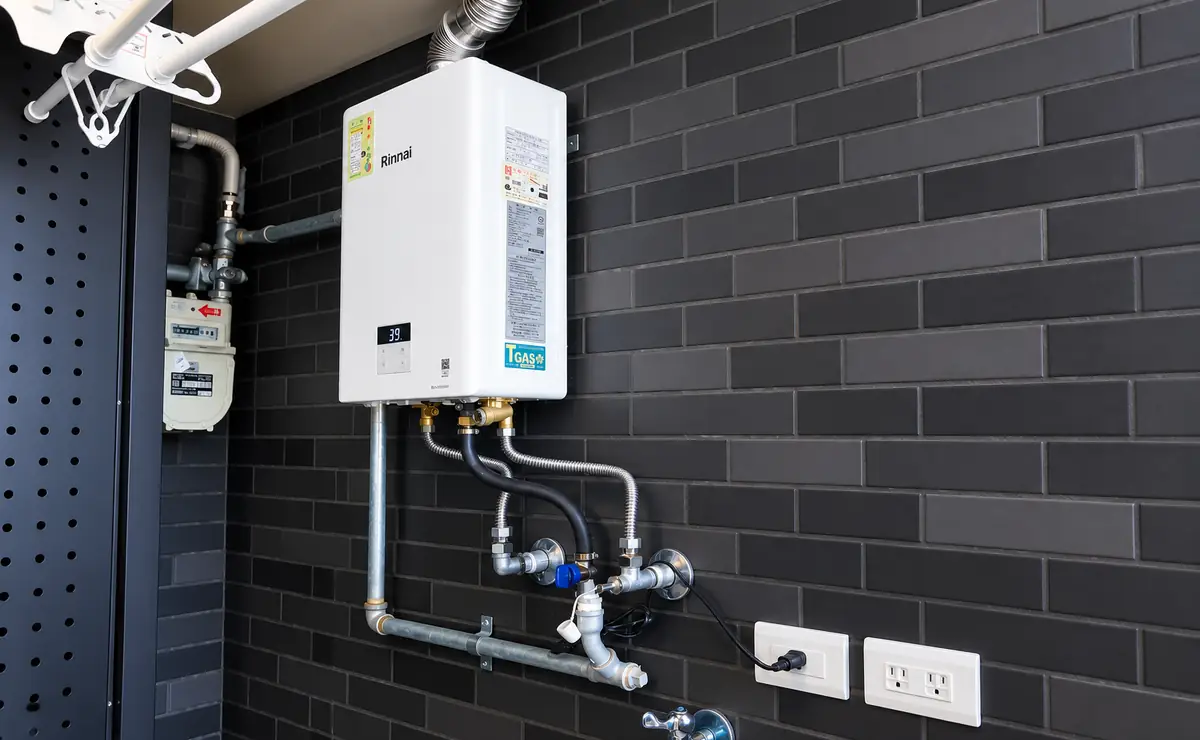
A1: Shower water from a gas water heater that runs hot and cold is usually related towater pressure, temperature settings or ageing equipment. Common causes include:
Insufficient water pressure or flow: top-floor homes are too close to the water tank for adequate pressure, or scale in the hot water pipes reduces hot water flow too much to reliably trigger the water heater.
Equipment type limitations: traditional mechanical (water-controlled) gas water heaters cannot automatically adjust to pressure changes for precise temperature control.
Water heater temperature set too high: when the hot water is set too hot, you turn the faucet too far toward cold while showering, and the cold water pressure pushes out the hot water, causing the water heater to shut off.
Ageing or faulty parts: after many years of use, the water heater's internal temperature control system or sensors have failed or deteriorated.
A2: If you turn on the hot water faucet but don't hear the ignition “clicking” sound (tick-tick-tick), it is usually caused by the following:
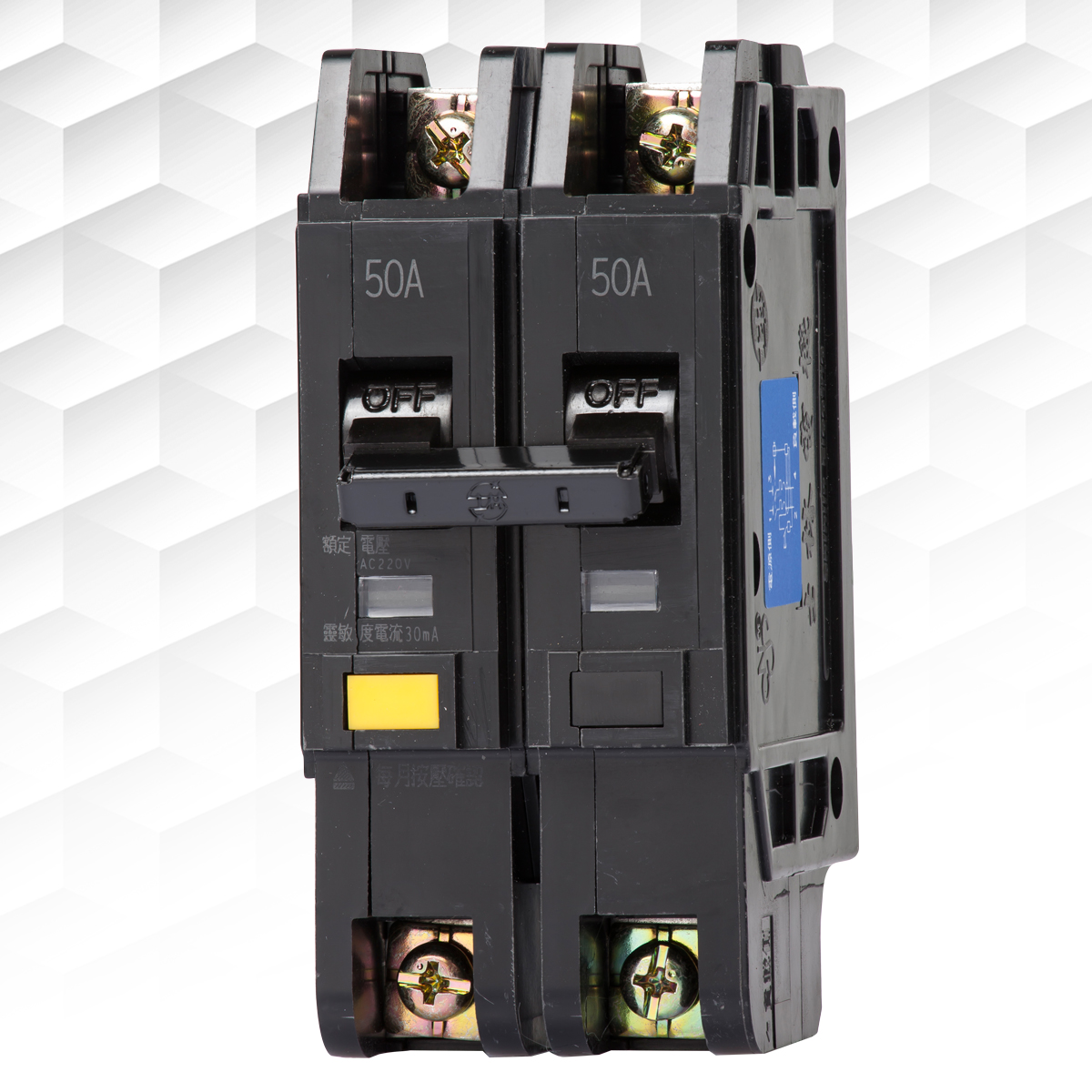
Power problems: in a traditional water heater, the D-cell batteries are dead; in a digital constant-temperature model, the 110V socket has no power / the breaker has tripped。
Water flow too low: hot water flow is below the activation threshold, so the flow switch cannot detect it and the water heater does not start.
Ignition system failure: the igniter, IC control board or water flow sensor has failed.
Excessive ageing of the unit: after more than 8~10 years of use, the internal wiring and electronic components have seriously deteriorated.
A3: Generally speaking, national standards and safety recommendations putthe service life of a gas water heater at 5 years(depending on frequency of use, water quality and installation environment).
If your water heater has been in use for more than 8 years, or starts showing the following signs, its parts are gradually wearing out. We recommend contacting a professional technician as soon as possible for an on-site inspection or a replacement assessment:
Frequent “ignition difficulties” or “water that runs hot and cold”
Abnormal noises during operation
Visible rust or leaks on the unit
Odd smells or a red flame during combustion (incomplete combustion)
A4: Very dangerous! This is an extremely high-risk carbon monoxide poisoning hazard!
Traditional RF water heaters need a large amount of fresh air for combustion and emit exhaust gas. When the balcony is fitted with windows or corrugated panels, or is full of hanging clothes that block ventilation, the exhaust gas'shigh concentration of carbon monoxide lingers indoors, which can very easily cause poisoning and even endanger lives.
Fire safety regulations clearly state: whenever a balcony is enclosed with windows or security grilles, or is a semi-enclosed space,an “FE forced-exhaust gas water heater” must be installed, with the exhaust gas routed outdoors through an exhaust pipe to keep the whole family safe.
A5: The litre rating of a water heater represents “how much water it can raise by 25°C per minute”. We recommend choosing based on your home'snumber of bathrooms and usage habits:
13 litres / 16 litres: suitable for 1 bathroom homes, for singles or small families.
16 litres: suitable for 2 bathrooms households (prevents water temperature from dropping when two people shower at once).
24 litres or more: suitable for more than 2 bathrooms, a large bathtub or frequent heavy simultaneous hot water use in the kitchen and bathrooms in large households.
A6: The pipes and fittings used during installation directly determine futurewater flow, temperature stability and leak protection. We insist on high-specification installation fittings:
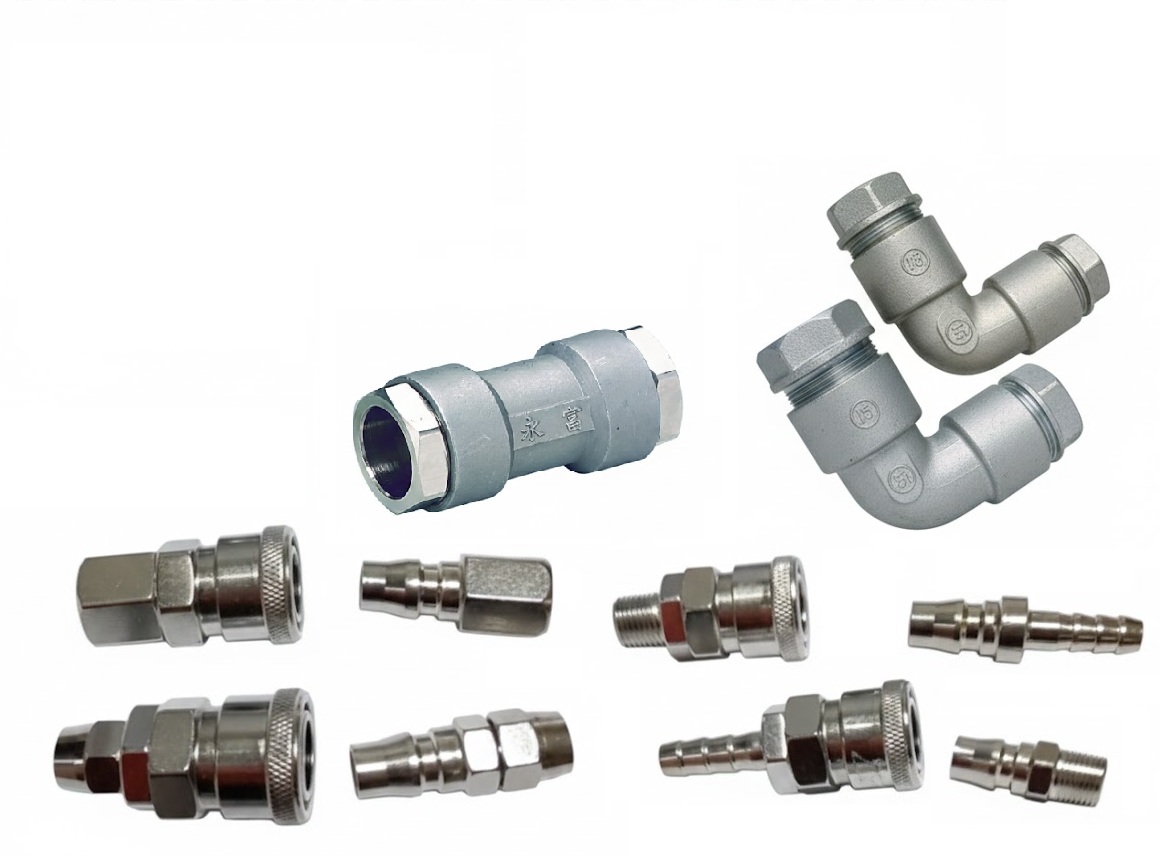
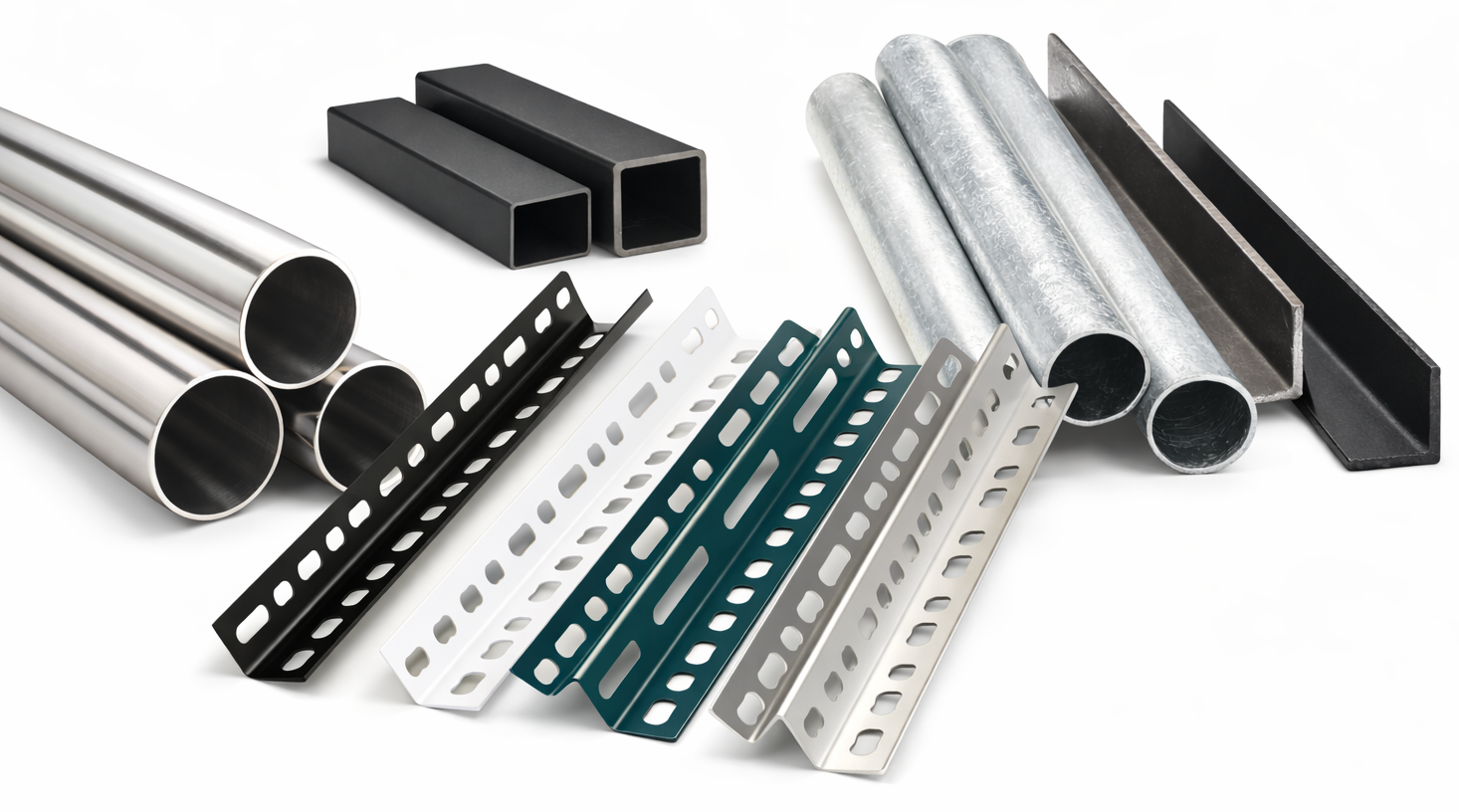
Stainless steel elbows and bushings (adapters): made entirely of stainless steel, avoiding rust in traditional iron fittings that narrows the pipe and reduces water flow.
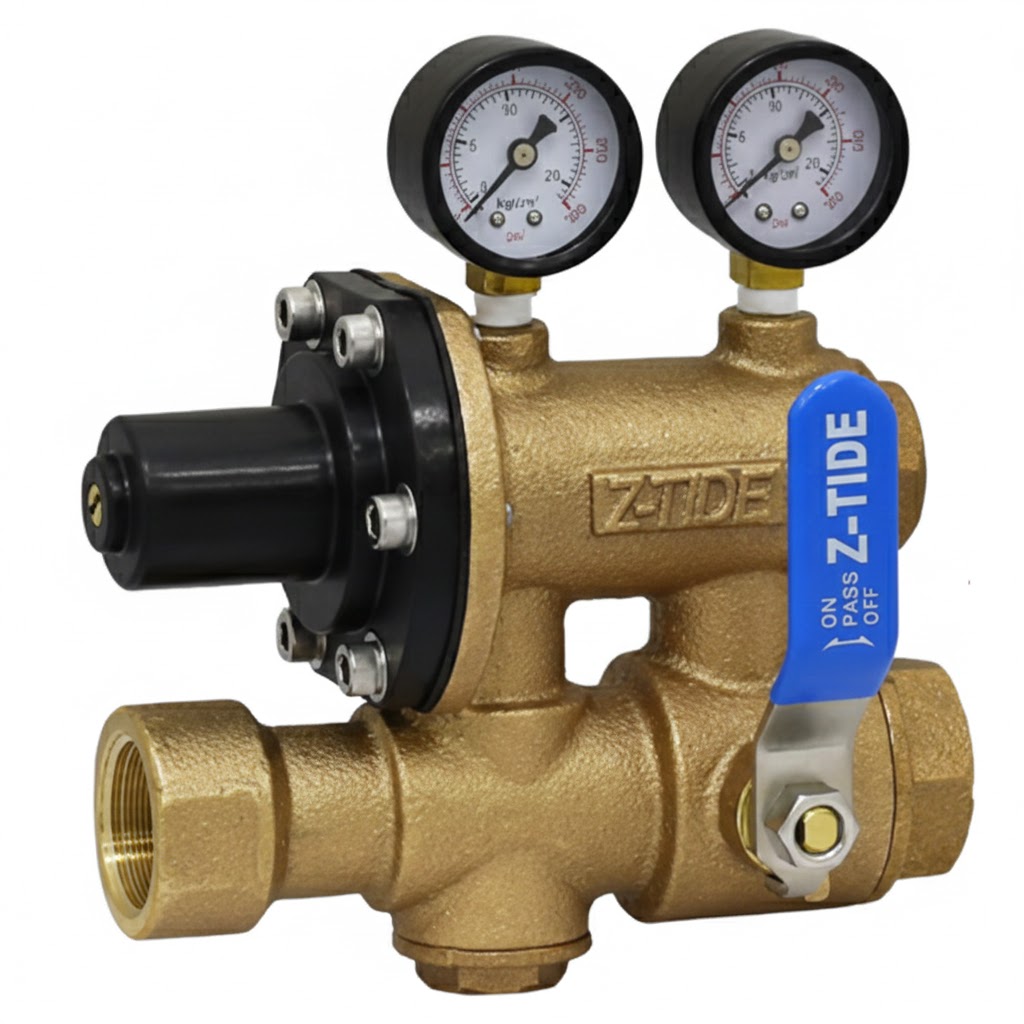
High-flow angle valve with handle (water inlet valve): ensures sufficient cold water inflow, preventing hot-and-cold fluctuations caused by restricted inflow.
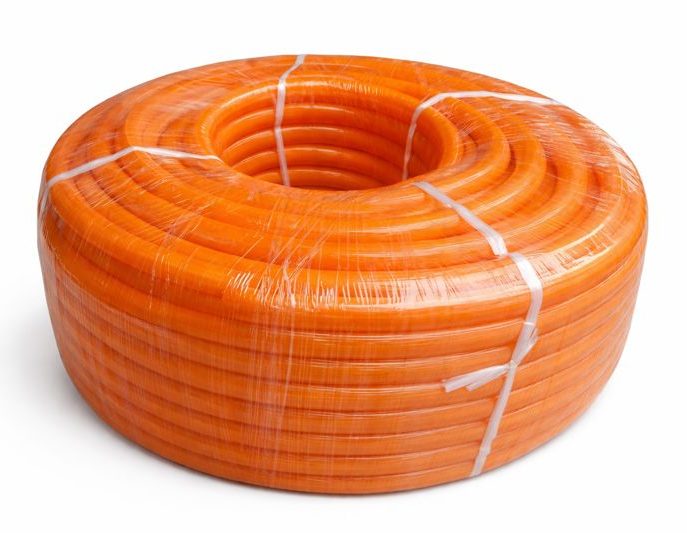
National Standard CNS 9620 dedicated gas rubber hose: we insist on using CNS 9620 dedicated gas hoses that meet Taiwan's highest safety certification, never ordinary hoses with lower safety ratings.
A Word from Our Technicians: small fittings may look insignificant, but they are key to a water heater's lifespan and safety. We select materials to the highest standards so you can use your water heater with peace of mind, reliably, for years to come.
A7: You can tell using the following two most intuitive methods:
Check the power source:
Traditional natural-draft type: usually has D-cell batteries。
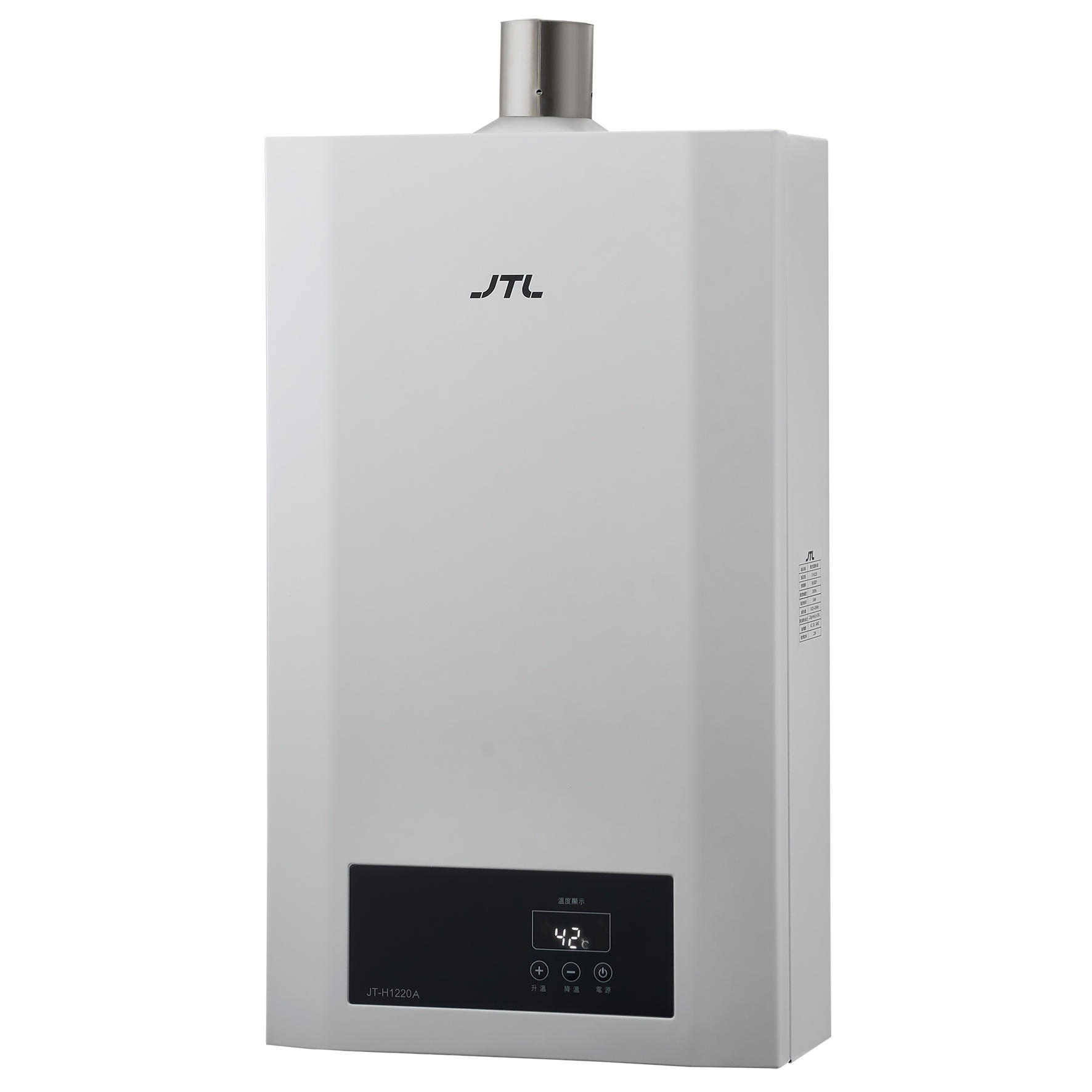
Forced-exhaust type (FE type): the bottom of the unit must be plugged into a 110V household power socket(to power the exhaust fan and main board).
Check the exhaust pipe on top:
Traditional natural-draft type: the top has an open wind-resistant cap with a larger exhaust opening (similar to a range hood cover), and no metal pipe extending to the outside wall.
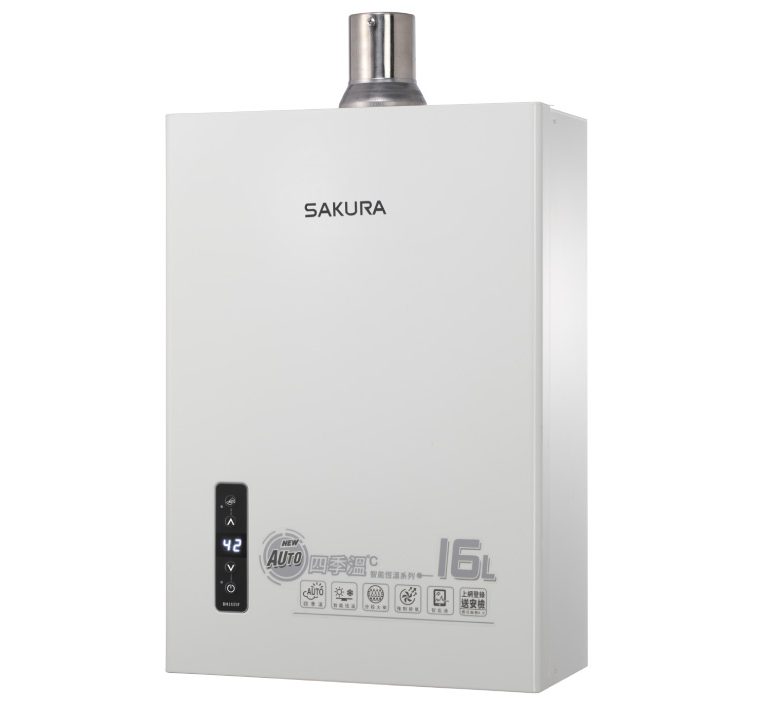
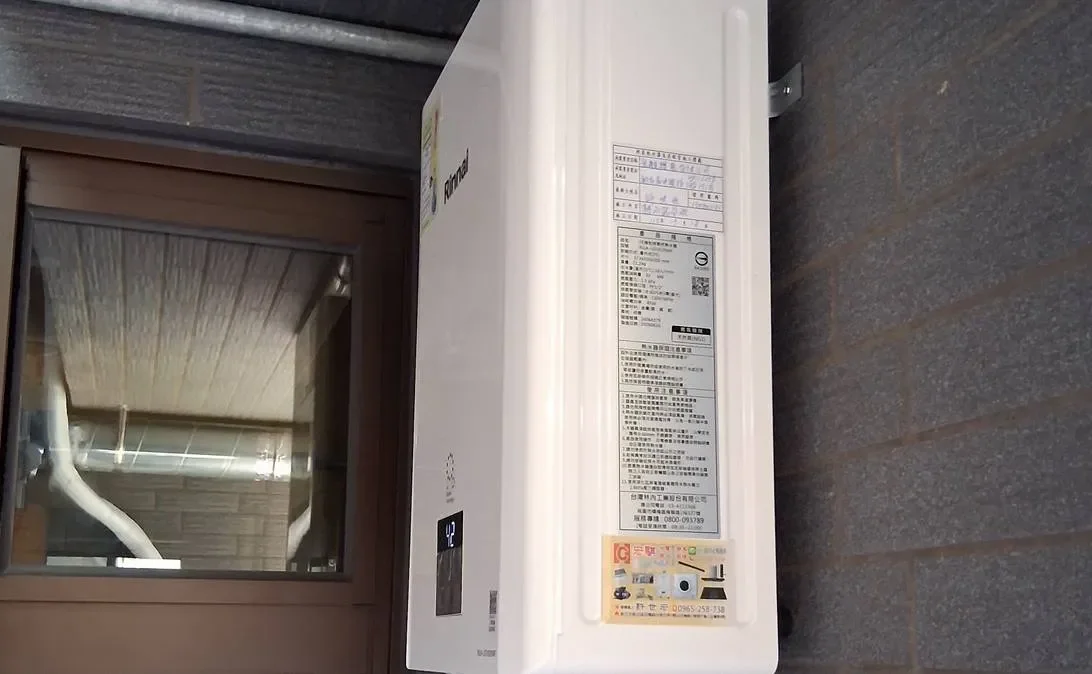
Forced-exhaust type (FE type): the top has a stainless steel exhaust pipe about as thick as an adult's arm (approx. 6cm in diameter) extending outdoors.
A8: Due to the limitations of their technical design, traditional gas water heaters commonly have the following drawbacks:
Cannot set water temperature precisely: temperature can only be fine-tuned manually by adjusting the flame, so showers easily run hot and cold.
Water too hot in summer: even at the lowest flame setting, the water is still too hot.
High exhaust emission risk: in poorly ventilated environments, exhaust gas and carbon monoxide easily linger, affecting your family's health and safety.
Heat damage to the building: hot exhaust gas blasts straight at the ceiling, which over time can cause peeling paint, discoloured tiles and even deformation.
Risk of scalding when turning water off and on: if you turn the water off and on again mid-shower, hot water trapped in the pipes suddenly bursts out (residual heat effect), which can easily cause scalding.
Dependence on battery maintenance: batteries must be replaced manually, which is inconvenient.
A9: Digital constant-temperature water heaters are the top choice for safety and comfort in modern homes. Their main advantages are:
Precise computer temperature control: set an exact water temperature (e.g. 41°C), and the flame adjusts automatically to water pressure, putting an end to hot-and-cold fluctuations for good.
Forced exhaust for maximum safety: a built-in electric exhaust fan motor forcibly expels exhaust gas outdoors, keeping carbon monoxide away.
High thermal efficiency saves gas: a sealed combustion chamber, combined with computer regulation of the air-to-gas ratio, delivers high thermal efficiency, saving money and energy.
Resists flame-out in strong winds: when strong winds blow, the exhaust fan automatically increases pressure, preventing flame-out or exhaust backflow.
Powered by a socket: connects directly to 110V power, so there is no hassle of frequently changing batteries.
Compact and quiet: slimmer and more attractive than traditional models, with quieter combustion and operation.
The product information, FAQs and usage advice on this page are compiled from practical experience and common product specifications and are for general reference only.
Different brands, models and on-site installation conditions may vary; actual use and installation methods should follow the manufacturer's specifications and on-site conditions. If you have questions about purchasing, installation or use, please refer to the manufacturer's official information, or provide on-site information so we can help with an assessment.
If anything on this page needs correction or additions, you are welcome to e-mail hc@hc888.com.tw to contact us.
No account yet?
Create an Account