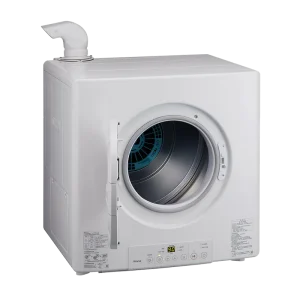
Thank you all for your trust and support in Hongchi's Rinnai gas dryer installations. We have compiled our hands-on experience from installing hundreds of units in recent years, along with all kinds of questions customers want answered, so customers can get up to speed quickly
and decide without reading every article. We also compare the performance of different dryers, with detailed explanations of heat pump, electric and American-style dryers, and explain our service area, repair services, company background and more. It is truly the most detailed dryer guide we have ever written,
and you are welcome to share it
- Can Be Installed in Any Setting
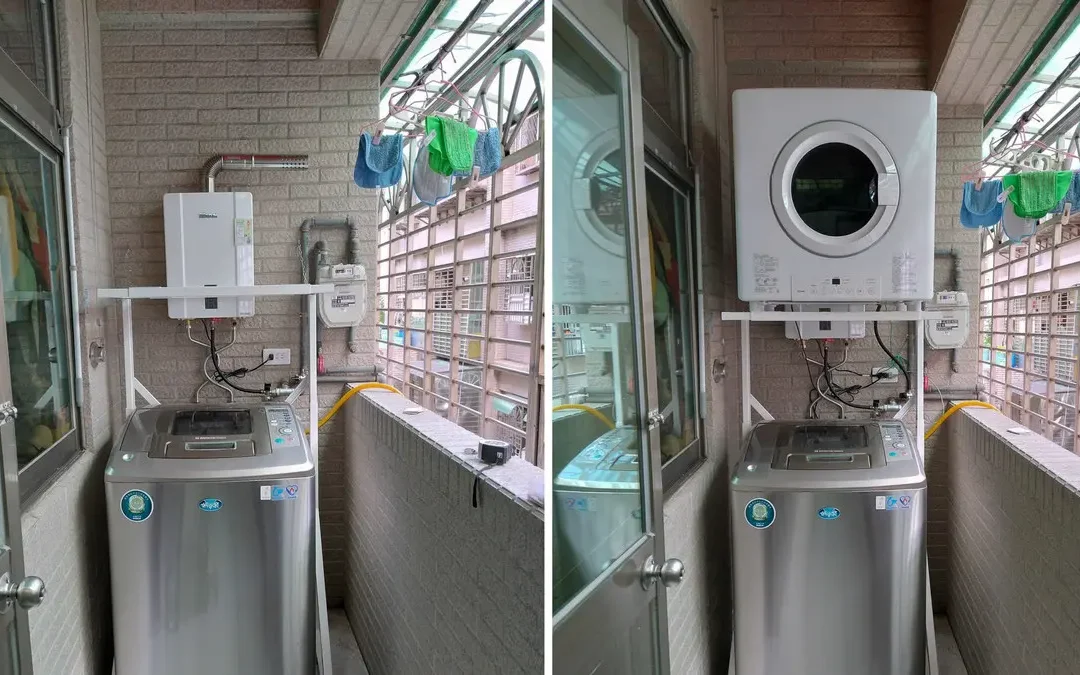
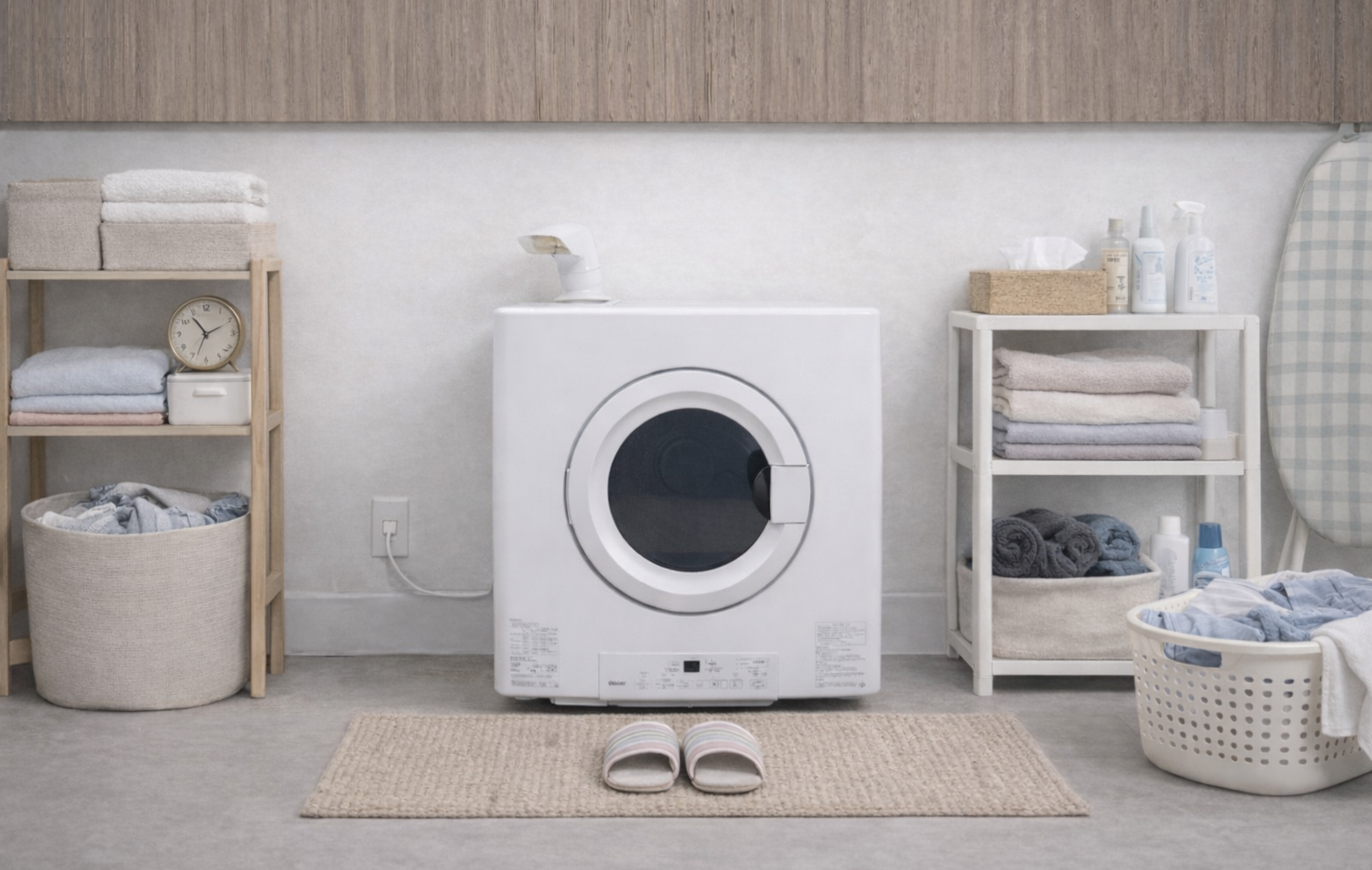
In every kind of installation setting, we can install it beautifully and space-efficiently, with full load-bearing capacity and safety. No need to worry about it falling in an earthquake: the back sits completely against the wall and there are no supports at all underneath, fully in line with space-efficient design, far beyond what angle iron, air-conditioner brackets or floor stands can offer。 - Is there a more suitable dryer?At present, only Rinnai gas dryers suit Taiwan's narrow balcony spaces: the control panel is at the bottom for easy operation, the exhaust is at the top so the whole unit can sit against the wall, and it is lightweight enough to mount up high while offering a large capacity that can dry a three-generation household's laundry in one go. Rinnai gas dryers fully embody a space-saving, energy-saving and safe design。
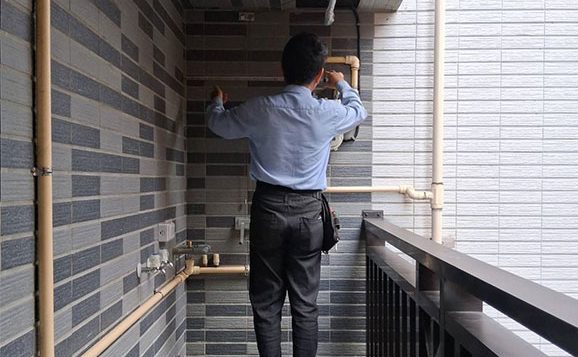
- Hongchi's Installation ExpertiseHongchi has experience installing hundreds of units. Whether it's modifying gas pipes, relocating water heaters or washing machines, drilling holes, exhaust pipes, faucets or sockets, everything is done right in one go. Even with pipes or windows in the way, we can still install it, and our clever techniques win praise even from interior designers. Many of our customers find us through word of mouth。
- Unique design, heavy-load and earthquake resistant
Using our own custom-designed wall-mounted bracket, the whole unit sits flush against the wall, with specially finished left and right corners so there are no sharp edges. There are no unsightly, space-wasting angle-iron or air-conditioner brackets underneath. It looks good, is easy to use, easy to clean and saves space. It supports up to 100 kg, so stacking 3 dryers on it is no problem; it is even safe for a person to stand on, and it won't fall in an earthquake.。 - Is there a limit on the installation area?We have installed everywhere from Heping Island in the far north to Kaohsiung in the far south. The area north of Hsinchu is where we install most often, and we have also travelled to Taichung, Chiayi, Tainan and Kaohsiung countless times, so you don't need to worry about the installation area. 。
- Rinnai dryer capacity
Rinnai offers 6 kg and 9 kg dryers. Taking the 9 kg model as an example, it can be filled to 2/3 capacity and can dry 6 bed sheets, 62 towels or 45 shirts at once. Even a three-generation household's laundry can be dried in one load, so the drying capacity is more than enough.。 - Will gas drying shrink clothes?
The claims online that it causes shrinkage come from shops that don't sell this model, so take them with a grain of salt. This Rinnai unit is imported directly from Japan, where almost every household uses a gas dryer. Rinnai would not be foolish enough to set the temperature so high that it shrinks clothes, since setting a lower temperature is not technically difficult. So there's no need to worry about the temperature. What you really need to know is whether it dries thoroughly, whether it prevents wrinkles and whether it thoroughly kills bacteria; these things are far more important. - What is Rinnai's background? Is it a Taiwanese company?Rinnai is a Japanese company with a 105-year history in Japan, selling in 18 countries. Its first overseas market was Taiwan, where it has been for 55 years. Rinnai has focused on the research, development and manufacture of gas appliances for a century and has produced thousands of gas products. It has a deep understanding of gas composition, types, properties, melting points, air ratios, flame control, temperature settings, safety devices, multiple protections and more. Its safety, quality, lifespan and design are beyond question.
- How the Rinnai gas dryer works
The Rinnai gas dryer works by using a flame to heat air, which is then sent into the drum chamber. The rotating drum distributes the hot air evenly over the clothes, leaving them fluffy and less prone to wrinkling. Using the normal mode, ordinary clothes will not shrink; if you are concerned, we recommend the energy-saving mode. It can also kill dust mites, Moraxella and E. coli, greatly reducing allergies and skin problems. So you can buy this Rinnai gas dryer with confidence, without worrying about shrinkage. Everyone who has used it is full of praise.。 - Have there been any fires?
To date, there has never been a fire involving a household gas dryer in Taiwan. The dryer uses a flame to heat air and then sends the hot air into the drum chamber to dry the clothes, just as a water heater uses a flame to heat water and then sends the hot water to the bathroom, so there is no risk of the clothes catching fire. Because 486 only sells heat-pump dryers, it deliberately writes that gas dryers can cause fires, which is truly a dishonest practice for a seller. - 486 calls it “violent drying”
This is a term invented by 486. Because 486 only sells heat-pump dryers, it deliberately describes gas dryers as “violent drying”, even though they simply dry clothes with hot air. By that logic, would using a hair dryer to blow hot air on your hair count as “violent hair drying”? Deliberately writing false drawbacks about competitors just because you don't sell gas dryers is truly unacceptable. - Drawbacks of heat-pump dryers
Heat-pump dryers cost more to buy and weigh 2-3 times as much as a Rinnai dryer, so they cannot be mounted up high and must sit on the floor, wasting space. Drying takes 2-3 times as long as a Rinnai gas dryer, and they lack sun-drying-level sterilization. Repairs and consumables are not cheap, because they have a compressor and complex circuit boards. Maintenance is cumbersome, their lifespan is shorter than gas models, their failure rate is higher, and their high power consumption requires a dedicated circuit; running on electricity costs more than running on gas. Placed on the floor, they take up existing usable space, which is very wasteful. Heat pumps are actually more suitable abroad, where gas is expensive, hard to obtain and the supply is unstable. In Taiwan, heat pumps are really not suitable: drying takes long, they are bulky, take up space, are too heavy, have high electricity costs and waste floor space worth hundreds of thousands per ping. - Heat-pump exhaust
Although a heat-pump dryer can exhaust indoors, laundry is washed with chemical cleaning agents containing detergents, fragrances, surfactants and so on. The air the heat pump discharges therefore becomes toxic air that actually harms the whole family's health and even contains carcinogens. You cannot be too careful. - Heat-pump dryers take up space
A heat-pump dryer weighs 2-3 times as much as a Rinnai dryer and cannot be mounted up high, so it has to sit on the floor just like a washing machine. With each ping of floor space worth hundreds of thousands, the heat pump effectively occupies hundreds of thousands' worth of area. However you calculate it, it is not worth it, and it doesn't fit an efficient use of space. - Pros and cons of gas vs. heat-pump dryers:
The pros and cons of gas and heat-pump dryers are as follows: Advantages of gas dryers: low purchase cost, short drying time, sun-drying-level sterilization, cheaper repairs and consumables, simple maintenance, long lifespan and low failure rate, and low gas costs. The door can also be switched to open on the left or right. There is no risk of carbon monoxide poisoning, because gas consumption is only 1/10 of a water heater and 1/2 of a gas stove. It won't trip your home's circuit breaker, and it can be installed above the washing machine without taking up any existing space. Advantages of heat-pump dryers: honestly, not many. Disadvantages: high purchase cost, 3 times the weight of a Rinnai dryer so it cannot be mounted up high, drying time 2-3 times that of a Rinnai gas dryer, no sun-drying-level sterilization, expensive repairs and consumables due to the compressor and complex circuit boards, cumbersome maintenance, shorter lifespan and higher failure rate than gas models, and high power consumption that requires a dedicated circuit; running on electricity costs more than gas, and placed on the floor it takes up existing usable space, which is very wasteful. Heat pumps are actually more suitable abroad, where gas is expensive, hard to obtain and the supply is unstable. In Taiwan, heat pumps are really not suitable, because drying takes long, they are bulky, take up space, are too heavy and have high electricity costs. A gas dryer is the most economical, time-saving and efficient way to dry clothes. - Does a gas dryer use a lot of gas?
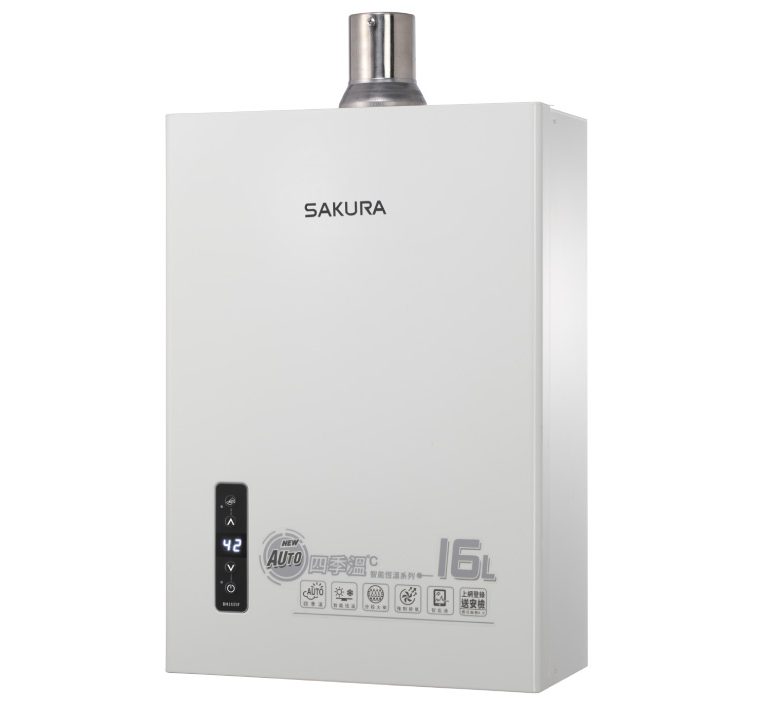
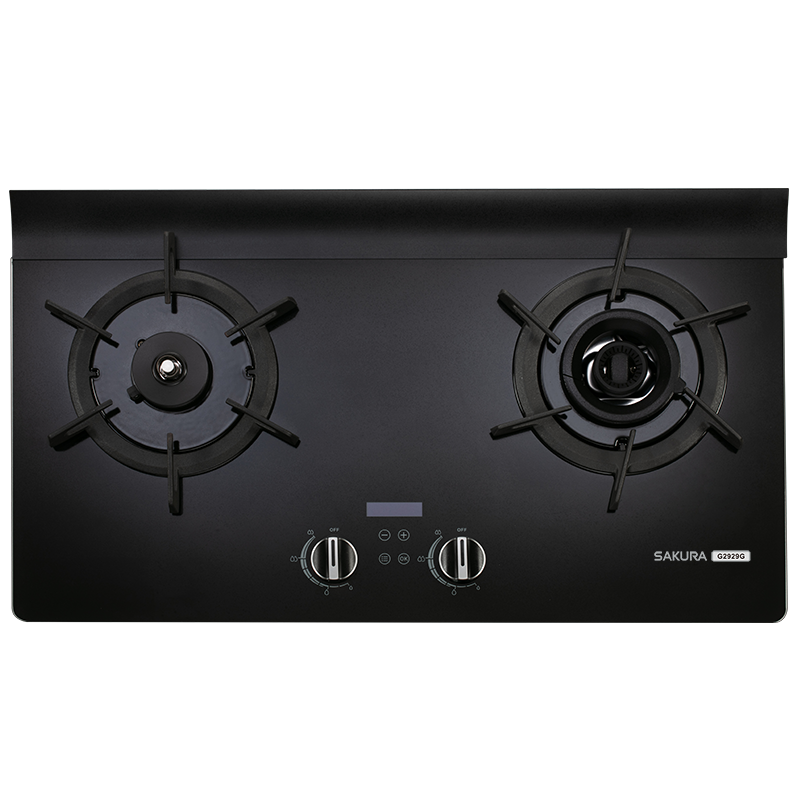
The Rinnai gas dryer uses very little gas: only 1/7 of a typical 16L water heater and just 1/2 of a two-burner gas stove. Drying time is also short; ordinary clothes are dry in about 35-45 minutes, roughly 1/3 the time of an electric dryer and 1/2 the time of a heat pump. Gas is also cheaper than electricity. In other words, gas dryers dry quickly with cheap gas, while electric dryers take long with high electricity bills. Weighing it all up, the gas dryer is still the most economical and efficient, and it is guaranteed to dry completely, whereas electric dryers cannot dry thoroughly. - Pros and cons of gas vs. electric dryers:
The differences between gas and electric dryers are as follows: Advantages of gas dryers: short drying time, sun-drying-level sterilization, simple repair and maintenance, long lifespan and rarely break down, and low gas costs. There is no risk of carbon monoxide poisoning unless placed in a completely sealed space, because gas consumption is 1/7 of a water heater and 1/2 of a gas stove, so poisoning will not occur. It also won't trip your home's circuit breaker. Electric dryers take a very long time, 3-4 times longer than gas dryers, never get clothes completely dry no matter how long they run, leave some odour, and have high electricity costs. In comparison, the gas dryer is the best choice. - Why buy a gas dryer when a washer-dryer combo will do?
As everyone knows, a washer-dryer combo takes a very long time to dry; the whole cycle takes about 5-7 hours, the clothes come out with a half-dry smell, and your electricity bill will rise noticeably. If washer-dryer combos worked well, gas dryers wouldn't be such hot sellers with such great reviews. Gas dryers are guaranteed to dry completely, leave a sun-dried scent and truly sterilize thoroughly; even dermatologists recommend them. Nearly all coin-operated dryers at laundromats are gas models, because they are genuinely efficient, very easy to use, rarely break down and save energy. - Rinnai dryer highlights:
Rinnai gas dryer highlights:- The door can be switched to open on the left or right
- The whole unit can sit flush against the wall to save space, unlike Whirlpool dryers, which need 15-20 cm of clearance at the back, making the front stick out and wasting space
- The control panel is at the bottom, making it ideal for installing above the washing machine and saving space
- With each ping of space worth hundreds of thousands, installing it above the washing machine adds an appliance without taking up space, which is the most economical option
- The dryer, water heater and washing machine can be used at the same time just as safely
- Gas consumption is about 1/7 of a 16L water heater and 1/2 of a gas stove, making it extremely gas-efficient
- Kills dust mites, Moraxella and E. coli, greatly reducing allergies and skin problems
- Dries 6 bed sheets, 62 towels or 45 shirts at once; more than enough drying capacity
- Imported directly from Japan with an extra-long four-year warranty
- Short drying time: completely dry in about 45 minutes, a huge time-saver
- Dries completely and thoroughly, unmatched by electric dryers or dehumidifiers
- Smells like sunshine up close, with no half-dry odour
- Extremely low cost: only NT$4-5 per load
- No need to hang clothes outside, greatly reducing dust, particulates, PM2.5 and the like clinging to your clothes
- Fewer wrinkles, fluffy fabrics, comfortable to wear
- No complex design like heat pumps, so a low failure rate and long lifespan.
- An appliance you are guaranteed never to regret buying,
More information on our FB page https://www.facebook.com/hungchi888/ Feel free to share
- Is it better value to dry at a self-service laundromat or buy your own gas dryer?
Both use gas dryers. For the same drying time, drying at home costs about NT$4-7, while drying outside costs about NT$80-120. If you dry every day, it pays for itself in about 2 years, while also saving time and being more hygienic. Moreover, when installed by us as a dealer, the original three-year warranty becomes four years after registration, giving you more protection. However you calculate it, buying a gas dryer is cheaper, more efficient, more hygienic and safer than drying outside. - Where is the best place to install a gas dryer?
In principle, above the washing machine is the most suitable spot, because it adds an appliance without taking up space, and loading and unloading are convenient. If the height is not enough, you can use a small stool about 20 cm high, which will definitely be high enough. - Is a wall-mounted bracket a good idea? What are the advantages?
A wall-mounted bracket saves space, has excellent load capacity and doesn't wobble in earthquakes. The installation height is very flexible, and the dryer can sit completely flush against the wall, so it won't wobble in an earthquake. There are no supports underneath at all, so it takes up no space, unlike the unsightly, space-consuming angle-iron and air-conditioner brackets used by others. All screw holes are drilled in the cement grout lines, so the wall tiles are not damaged. - What if Iwant to use a floor stand?
Using the manufacturer's floor stand is also possible, but it has the following drawbacks:- Higher price, so you pay more
- The space on either side of the washing machine is occupied, reducing usable space
- Maintaining or replacing the washing machine becomes very difficult
- The space feels cluttered and smaller
- Poor stability: wobbling is especially noticeable in earthquakes, and it even wobbles when pushed by hand
- The floor stand cannot be adjusted to the most suitable size, which wastes a lot of space
- Because it is painted, the base is prone to rust after long-term use, and dropped items are hard to clean up.
All things considered, we recommend a wall-mounted bracket designed specifically for dryers if possible; it takes up no space and is sturdy and durable. If you have special reasons for wanting the manufacturer's floor stand, we also offer installation for it.
- American-style gas dryers take up a lot of floor space. Can they be mounted on the wall?
American-style gas dryers cannot be installed above a washing machine, for the following reasons:- The machine itself is too heavy, 1-2 or more times the weight of a Rinnai, and it also exceeds the manufacturer's installation height
- The control panel is at the very top, making it very inconvenient to operate
- 15-20 cm must be left behind the machine for the exhaust pipe, making the front stick out a lot and wasting space
- It is so heavy that it could fall in an earthquake, which feels unsafe
- Being so heavy, it would be very difficult to take down for future repairs, and the manufacturer is unwilling to repair it
- If it is installed up high, the manufacturer will require you to take it down yourself before they will repair it, and repair costs will also be higher
- The American dryer brands require us not to install them up high, due to repair and safety issues, so installing them above the washing machine is not possible
- Placing it on the floor also wastes a lot of space, since 1 ping of floor space costs hundreds of thousands. However you calculate it, it's best to install above the washing machine. 9 Installing a Rinnai dryer up there adds an appliance without taking up space, which is the most economical approach. Moreover, the 9 kg capacity can dry 6 bed sheets, 62 towels or 45 shirts at once, so the drying capacity is more than enough.。
- Is an on-site inspection needed before installation?
Hongchi has installed several hundred units and knows exactly what matters: the key points, position, height, the sockets to watch out for, where to drill holes and which methods to use. Whether the water heater needs to be moved, whether the gas pipe needs to be rerouted, whether the clothes-drying rack will get in the way and whether the platform is stable, we can assess all of this directly via LINE, saving you waiting time and costs. After installation, it will definitely save more space and look better than you expected. So as long as you provide complete photos of the site, we can give you an accurate assessment and quote. - How to photograph your site for Hongchi
Please provide photos of the installation site: take several shots from different angles, both far and close, including the surroundings. Include the spot where the dryer will be installed, the surroundings above, below and to the left and right, as well as the gas lines, nearby equipment and any obstacles. Once we understand the full picture, we can serve you and provide a quote. - How long does installation take?
Dryer installation is usually carried out by a team of 2. Completion times are as follows:
Dryer installation only: 1-1.5 hours.
If the water heater needs to be moved: 1.5-2 hours.
If metal gas piping needs to be fitted: 2-2.5 hours.
Moving the water heater plus fitting metal gas piping: 2.3-3 hours.
Special installations: 2-3 hours. - How much will the finished job cost?
The cost varies with the difficulty of the site and the installation work involved. Simply send photos of your site via LINE, we'll have a brief discussion, and then we'll provide a complete quotation. Only once you confirm will we ask for your full phone number and address so we can schedule the visit and plan the route. - Hongchi contact informationDetails are as follows: LINE ID: @hc888 Hongchi Industrial Co., Ltd., Tel: 02-2911-1258, Mobile: 0965-258-738 or 0965-288-738, No. 5, Alley 59, Lane 42, Minquan Rd., Xindian District, New Taipei City
- Do I need to change my gas meter to install a gas dryer?
No, your existing gas meter is fine. For a new installation, we recommend a small gas meter; there is no need for a large one. There is no difference whatsoever in use or safety. A large meter is bulkier and takes up space, and the basic gas fee is higher, so it costs more. Moreover, the Rinnai gas dryer uses very little gas, only 1/7 of a typical 16L water heater and just 1/2 of a two-burner gas stove, and its drying time is short, so there is absolutely no need for a large meter; a small one is more than enough. - Is stacking the washing machine and dryer a good idea?
Stacking the washing machine and dryer is not a good approach. Drawbacks:- You can't choose another washing machine that's better or more affordable; you're essentially locked in
- With a stacked washer and dryer, future repairs require moving the units in and out, making repairs very expensive
- The dryer's control panel is at the very top, which is very inconvenient to use
- 20-30 cm must be left at the back, so the machines stick out more and take up a lot of space, because there are water pipes, taps, sockets, gas pipes and even a water heater behind them. This wastes a lot of space, and with 1 ping costing hundreds of thousands, it's simply not worth it
- Future leaks, power problems or gas valve replacements cannot be repaired unless the whole stack is moved away, but plumbers and gas technicians won't move it, and moving it costs a lot. You'd just be making trouble for yourself and wasting money
- There is no shelf between the washing machine and dryer, which is inconvenient
- The dryer is very heavy and can easily shift and fall in an earthquake
- If you don't buy a stacked set, there are dozens of washing machines to choose from that are easy to use and cheaper than a stacked set. Buying a stacked set locks you in, which is simply not economical
- Just as everyone knows to buy one-to-one split air conditioners, keeping them separate is the smart choice that saves space, is economical and gives peace of mind. However you look at it, stacking is not a good approach
- So remember to choose a Rinnai gas dryer on top and a front-loading or top-loading washing machine underneath: economical, durable, good-looking and worry-free,The Rinnai gas dryeris widely recognized as an appliance you will never regret buying.
- What licences does Hongchi hold?
Hongchi holds licences including Class A Electrician, Class B Electrician, Plumber, Refrigeration & Air Conditioning, Gas Appliances, Gas Piping, Indoor Wiring, Interior Renovation Management and Gas certifications. So whether you need to move a water heater, install a new water heater or change the metal gas piping, we can handle it all in one visit, sparing customers the hassle. Licensed work gives customers greater protection. - Do I need to find someone else to modify the gas pipe?
No, because we hold a gas piping licence, we can modify, relocate, extend or shorten your gas lines, including installing an excess-flow shut-off valve (commonly called an explosion-proof valve). The valves and metal pipes we use all meet the gas company's required standards. Licensed work with compliant materials gives customers greater protection and complete peace of mind. - Do you offer installation for washing machines and sinks?
Yes, we do. Whether you need a washing machine or sink newly installed or relocated, turned in another direction, an extra tap added, or drain pipes fitted, we provide all of these services. If you need light fixtures moved, sockets added or clothes-drying poles installed, we'll take care of those too at the same time, so no small issues are left for customers to find someone else to handle. - Is a dryer exhaust pipe always necessary?
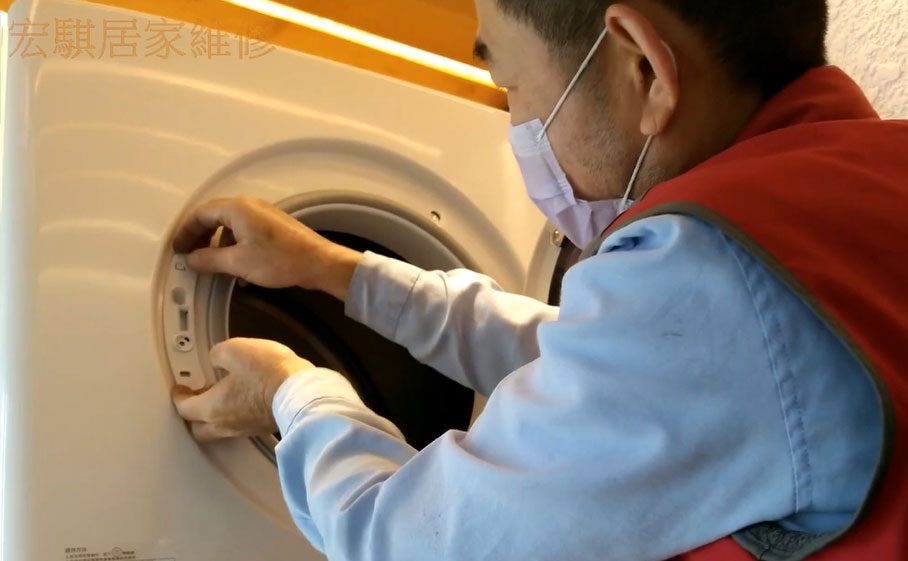
If windows have been installed, we recommend fitting an exhaust pipe. If it's an open space but the dryer is installed far inside, we also recommend an exhaust pipe. If the exhaust outlet is very close to the outside, an exhaust pipe isn't needed. Besides exhausting air, the pipe also carries away moisture; the Rinnai manual calls it a moisture exhaust duct. Another benefit of fitting an exhaust pipe is that the dryer runs quieter and moisture won't settle on the surroundings. - Can the dryer door direction be changed?Yes. You don't need to specify the door direction when purchasing; during installation we'll change it to suit your site, or you can change it later if you move house. Changing it yourself afterwards is also easy with just a Phillips screwdriver. We've posted a video on YouTube for everyone's reference
[Hongchi] Rinnai Dryer DIY: Changing the Door Opening Direction RDT-62-TR-W , RDT-90-TR-W
https://www.youtube.com/watch?v=y1E_Ibt0uKA - Can I buy the dryer myself and then have Hongchi install it?
We recommend letting us supply both the unit and the labour, as it works out cheaper. Installation-only costs much more, and buying it yourself and having someone else install it makes the total cost even higher. Few shops are willing to take on such jobs, and if problems arise, it's easy for parties to pass the buck. If the machine is defective and a second visit is needed, extra fees will be charged. All things considered, having Hongchi handle everything is more economical, neater, faster and risk-free. Moreover, since we are a Rinnai dealer, installation by us comes with an extended warranty, so our overall price including installation is fair; you can rest assured. - Will installing the wall-mounted bracket drill into water pipes?
We have extensive installation experience and know how to avoid them, so we won't drill into any pipes or cables. In new buildings especially, we definitely won't hit water pipes or electrical wiring, so you can rest assured having us do the installation. - Will installing the wall-mounted bracket drill into the wall tiles?
In 99% of cases the wall tiles won't be damaged. Especially with the 2-cho-gake (rectangular facade) tiles common in new buildings, the tiles are never damaged, as we only drill into the cement grout lines. Restoring them later is also simple: you can use cooked rice, flour, clay, white glue, silicone or cement; any method that covers the hole will do. There's absolutely no need to worry about restoring the wall later. - Can the water heater and dryer be installed right next to each other?
Yes, the water heater and dryer can be installed right next to each other. If you were to remove the casings of both, you'd find lots of wires, control components and circuit boards inside. These components cause no problems inside the machines, and each unit has its own thick metal casing separating them, so how could there be any safety concern? So the water heater and dryer can be placed right next to each other without any problem; you can rest assured. - Will the pipes and lines under the dryer be easy to service later?
The lines under the dryer, whether sockets, gas pipes, gas valves, washing machine inlet hoses, taps, the water heater's cold and hot water pipes, or angle valves, can all be easily serviced. They're also easy to see and won't be blocked by the machine. With a stacked set, all these lines would be completely covered and impossible to service, and to avoid the lines a stacked set needs to sit 15-20 cm from the wall, which wastes a lot of space. - Why do people with front-loading washer-dryers still install a gas dryer?
This happens because they find the washer-dryer combo really doesn't work well: it can't dry completely, drying takes long, electricity bills are high and clothes have a half-dry smell. So they make up their minds to buy the easy-to-use, time-saving and electricity-saving Rinnai gas dryer. Many of our installations are for customers who originally bought a washer-dryer combo and later added a gas dryer. - How much clearance is needed between the bottom of the dryer and the top of the washing machine?
Hongchi's uniquely designed metal dryer base has no angle iron, screws or support brackets underneath, and its flat bottom is easy to wipe clean and won't bump your head. Only 0.5 cm of clearance above the washing machine lid is needed; really, just 0.5 cm. Other shops use unsightly, space-consuming angle-iron or air-conditioner brackets that need at least 10 cm of clearance, so the dryer has to be mounted even higher, with angle iron or brackets underneath that you can easily bump your head on. That's completely impractical and wastes space - Can I use slotted angle iron as a support frame?
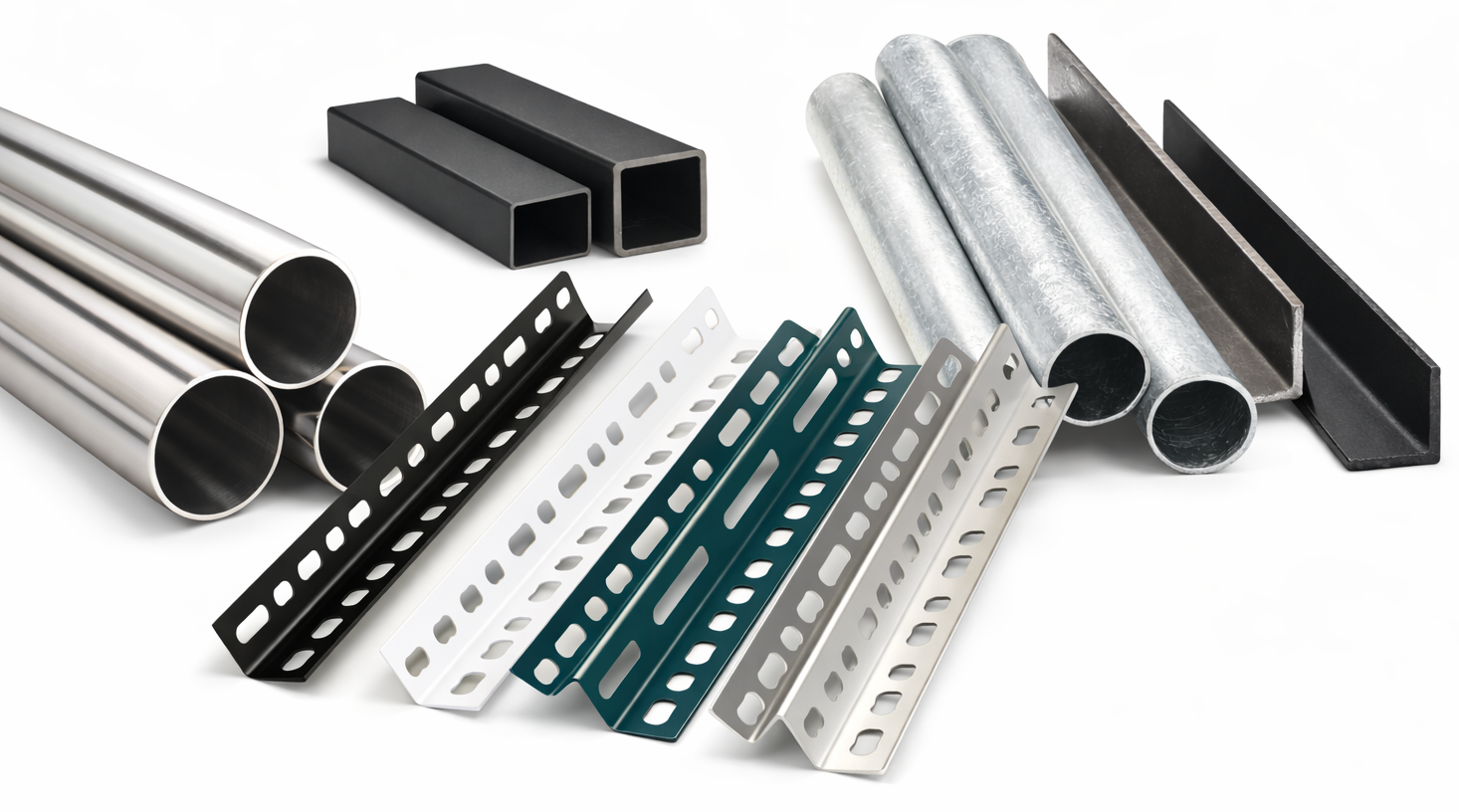
Slotted angle iron or boltless angle iron shelving is also feasible, but it encloses the washing machine, so any future maintenance or replacement of the washer requires removing the dryer and frame above. Laying wooden boards on the angle iron also poses a fire risk, and it tends to be wobbly and unstable, with a risk of falling in an earthquake; the manual explains this in detail. If you really want to use angle iron, we recommend going straight for the manufacturer's floor stand, which is safer and sturdier and still allows the washer to be maintained or replaced. - Can wooden boards be placed under the dryer??
The manufacturer's manual states that no flammable materials may be placed around the dryer. Moreover, the bottom of the dryer is where the burner heats, so wooden boards under the dryer are extremely dangerous; metal plates or heat-resistant materials must be used to meet safety requirements. - Can I use a dehumidifier to dry clothes?
Drying clothes with a dehumidifier requires an enclosed space, which wastes space. Dehumidifying also takes a long time and cannot dry clothes completely, and going in and out to check whether the clothes are dry prolongs the drying time further and shortens the dehumidifier's lifespan. There is also the worry of the dehumidifier spontaneously catching fire, as reported in the news in recent years. We therefore don't recommend drying clothes with a dehumidifier, because dehumidifiers are designed only to reduce moisture in the air, not to dry clothes. They also take up space, which is uneconomical in terms of space efficiency, since each ping costs hundreds of thousands to buy. - Can I use a bathroom heater/ventilator to dry clothes?
Drying clothes with a bathroom heater/ventilator means hanging your clothes in the bathroom, which effectively makes the bathroom unusable. Electricity costs will be even higher than an electric dryer, and it shortens the bathroom heater's lifespan. We therefore don't recommend drying clothes with a bathroom heater/ventilator, because it is mainly designed for short-term use to dry the bathroom and remove odours, not to dry clothes. Bathrooms are too large a space to dry clothes effectively. It also takes up space, which is uneconomical in terms of space efficiency, since each ping costs hundreds of thousands to buy. - Are gas dryers really that good?
Are gas dryers really that good? Without a doubt. In terms of performance, lifespan, maintenance, space efficiency, sterilization, energy saving, user experience, overall assessment and customer feedback, they completely outperform every other drying method, including washer-dryer combos, heat-pump and electric dryers. Everyone who has used one is full of praise and says they could never go back. - Should I buy a top-loading or front-loading washing machine?
Advantages of top-loading washing machines:
Cheaper, no need to bend down, and you can add clothes at any time during the wash. Disadvantages: uses a bit more water, and the dryer needs to be installed a bit higher
Advantages of front-loading washing machines: the top can serve as a shelf, and the dryer can be installed a bit lower. Disadvantages: higher price, and you can't add clothes during the wash. Just choose the washing machine you like; whether top-loading or front-loading, we can install everything smoothly, combining good looks, ease of use and safety. - Manufacturer's dryer floor stand dimensions
The manufacturer's dryer floor stand dimensions are as follows, although it takes up more space and encloses the washing machine: adjustable to five heights of 115 / 121 / 127 / 133 / 138 cm, and seven widths of 64.9 / 68.6 / 72.2 / 76.7 / 81.2 / 84.9 / 88.5 cm. Subtract 3 cm from the height and 6 cm from the width to get the usable internal space of the stand. - Rinnai gas dryer dimensions
Rinnai 9 kg gas dryer RDT-90-TR-W dimensions: W650 × H684 (790-820 including the exhaust elbow at the upper left rear) × D641 mm × 33 kg. 6 kg dimensions: W650 × H684 (790-820 including the exhaust elbow at the upper left rear) × D561 mm × 30 kg. The 9 kg and 6 kg models differ only in depth, by 80mm; otherwise their exterior is identical. The door can be switched to open on the left or right; add 390mm when the door is open - Is Hongchi a Rinnai dealer?
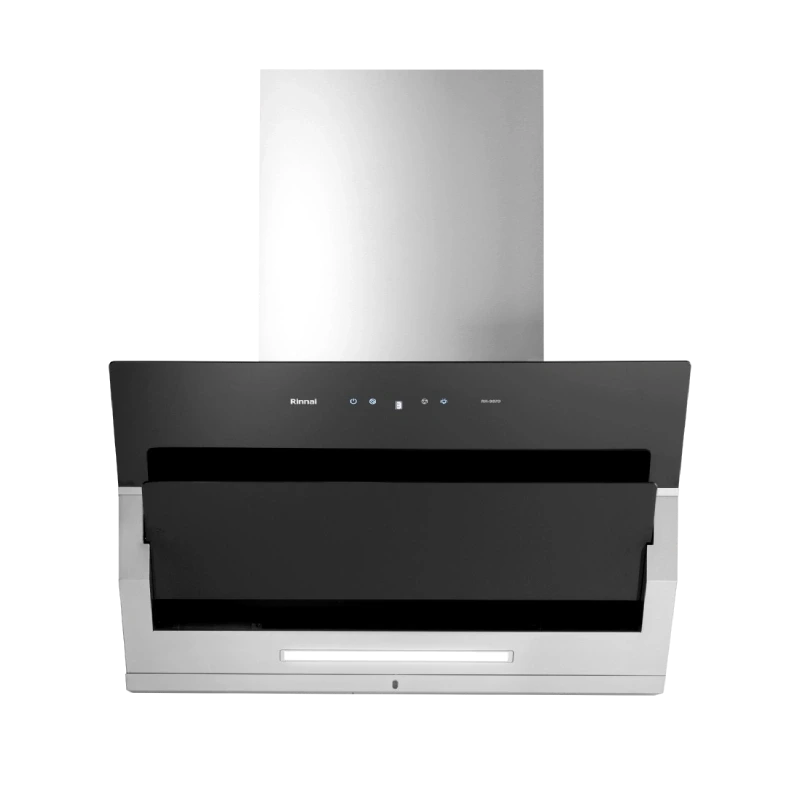
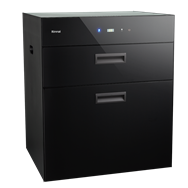
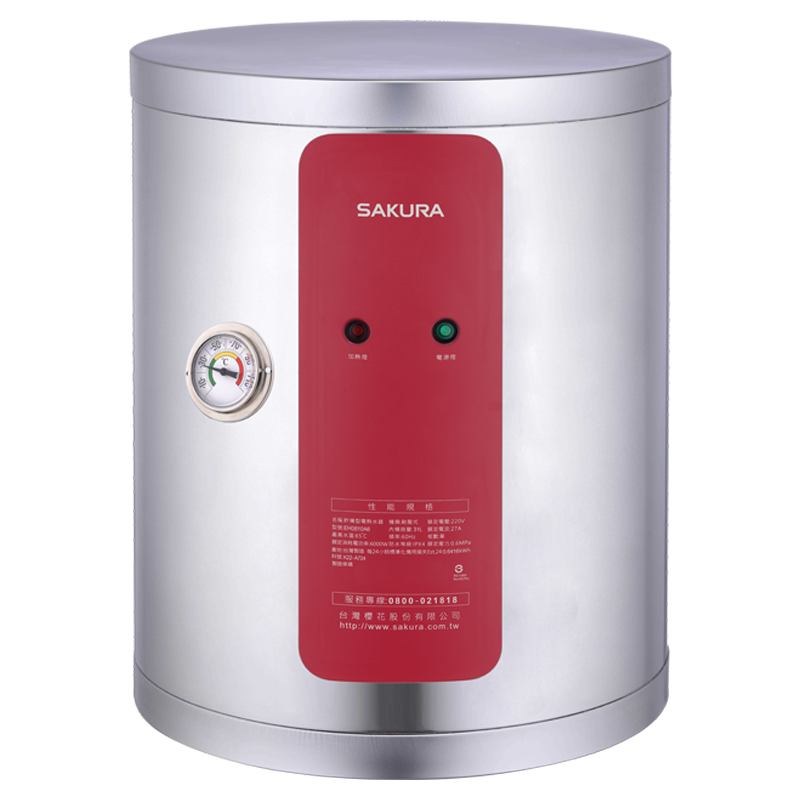
Yes, Hongchi is a Rinnai dealer. Whether imported, domestic or exclusive products, we carry all Rinnai products, including water heaters, gas stoves, range hoods, dishwashers, dish dryers, water purifiers, rice cookers, ovens and induction cooktops. This sets us apart from typical Rinnai dealers that only sell domestic products. Hongchi is also a SAKURA dealer, so feel free to ask us about any product. - What other services does Hongchi offer?
Our official Facebook page features real photos of installations and repairs of all kinds of products that can improve your quality of life at home, such as
Balcony equipment: gas dryers, water heaters, retractable clothes-drying racks, washing machines.Kitchen equipment: countertops, gas stoves, dishwashers, range hoods, dish dryers, ovens. Bathroom equipment: bathroom heaters/ventilators, shower faucets, washbasins, toilets, bidet seats.
Other services: smart locks, CCTV, network cabling, booster pumps, lighting, system cabinets and more. Feel free to learn more on our FB page, and if you have any ideas or needs, please get in touch. Add us on LINE (ID: @hc888) or call: 02-2911-1258 or mobile 0965-288-738
- How long has Hongchi been in business?
We have served the local community for 30 years, with a physical store, experienced technicians of good character and integrity, and friendly, empathetic customer service staff who do their utmost to serve every customer. We specialize in solving home repair problems, with extensive installation and repair experience, earning our customers' trust and recognition. We have handled tens of thousands of repairs and hold 8 national licences, building a strong local reputation. We are your first choice. - Talent development
With rising living standards and a declining birth rate, fewer people are entering this line of work. Although the work is relatively demanding, it won't be replaced by AI, it solves people's problems and pays well, making it quite a rewarding profession. If you, your friends or family are interested in this kind of work, please contact us or email us directly:shihong.talent@gmail.comso we can get to know each other, in the hope of providing better service and better solutions to all our customers in the future. - Other mattersSolving all kinds of plumbing and electrical problems is actually a highly skilled trade, especially repair work. It requires all-round judgement, an understanding of why problems occur and knowledge of how each piece of equipment works, so you can find the best solution from the customer's point of view, while also being willing to make house calls despite dirty, hard work. You also need a working knowledge of related trades such as carpentry, masonry, air conditioning, aluminium windows, metalwork and especially waterproofing, as well as related knowledge such as mechanical principles, electrical engineering, physics, chemistry, natural science, pressure and aerodynamics. Safety awareness is also essential, such as fire prevention, pre-work safety assessments, load assessments, product lifespan assessments and anticipating what may happen afterwards. It also takes time to study and practise hands-on to obtain the relevant licences. A good technician can understand the whole picture and propose a more suitable solution for the customer, rather than simply doing whatever the customer says like a production-line worker, or cutting corners by using only the materials we happen to have or the only methods we know to cover up a lack of skill. Handling things that way results in something that works but looks bad, wastes space, has a shorter lifespan, affects other equipment and is hard to repair later. Good character, integrity and communication skills are also needed to help customers understand. Times are changing, and the traditional home repair trade must keep up with them: besides improving problem-solving skills, we must keep absorbing relevant knowledge and approach customers' problems with a service-industry attitude. Only then can we earn customers' trust and respect, nurture good talent and meet A-grade customers.