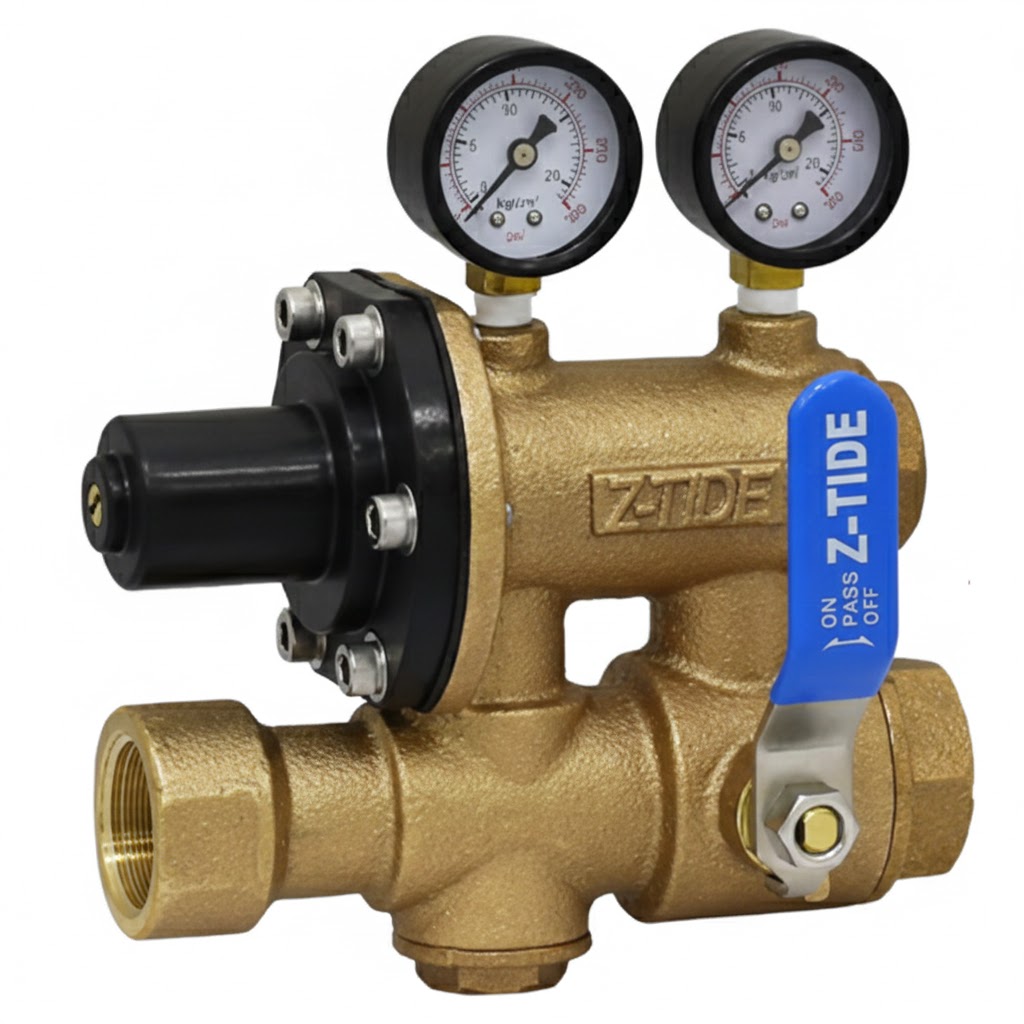

A1: Highly recommended! Residents on the 3rd floor and above are all advised to install one.
Because the vertical distance between the 3rd/4th floors and the rooftop water tank is too short, the resulting water pressure is insufficient, which can easily lead to:
Low flow from faucets and shower heads, making showers unpleasant.
Unstable water pressure, preventing the gas water heater from igniting reliably.
Scale and impurities gradually settling in the water pipes over time, narrowing the pipe diameter and steadily reducing water flow.
A2: We do not recommend installing only a small booster pump under the water heater; this only treats the symptoms, not the root cause, and can easily cause the following problems:
| Comparison Item | Small Water-Heater Booster Pump | Whole-House Booster Pump (Recommended) |
|---|---|---|
| Boost Coverage | Hot water pipes only | Whole house (cold water, hot water and washing machine all boosted) |
| Water Pressure Performance | Very limited pressure and flow increase | Ample, stable water pressure for great showers and dishwashing |
| Water Heater Activation | Often fails to trigger due to low water flow | Consistently supplies enough water pressure for easy ignition |
| Hot/Cold Water Pressure Balance | Hot water pressure higher than cold water, which can easily cause cold water backflow or difficulty mixing | Hot/Cold Water Pressure Balance, for more precise water temperature control |
| Additional Benefits | None | Faster washing machine filling, significantly shortening wash cycles |
Preferred solution (whole-house boosting):
If your budget and setting allow, installing it directly on the water meter main or the whole-house main linea whole-house electronic constant-pressure booster pumpis the best choice. This way cold and hot water pressure stay consistent, with no fluctuating mixed water temperature or cold water backflow.
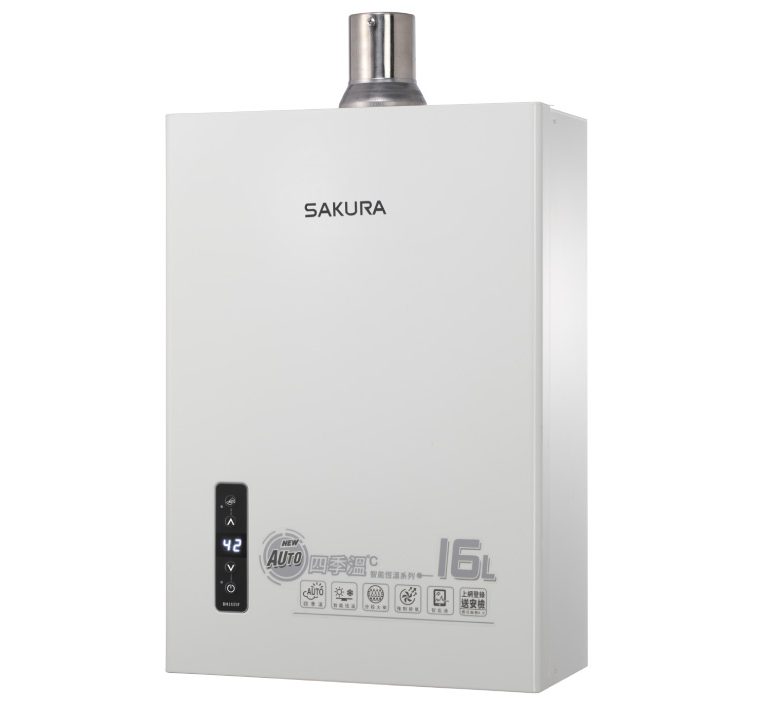
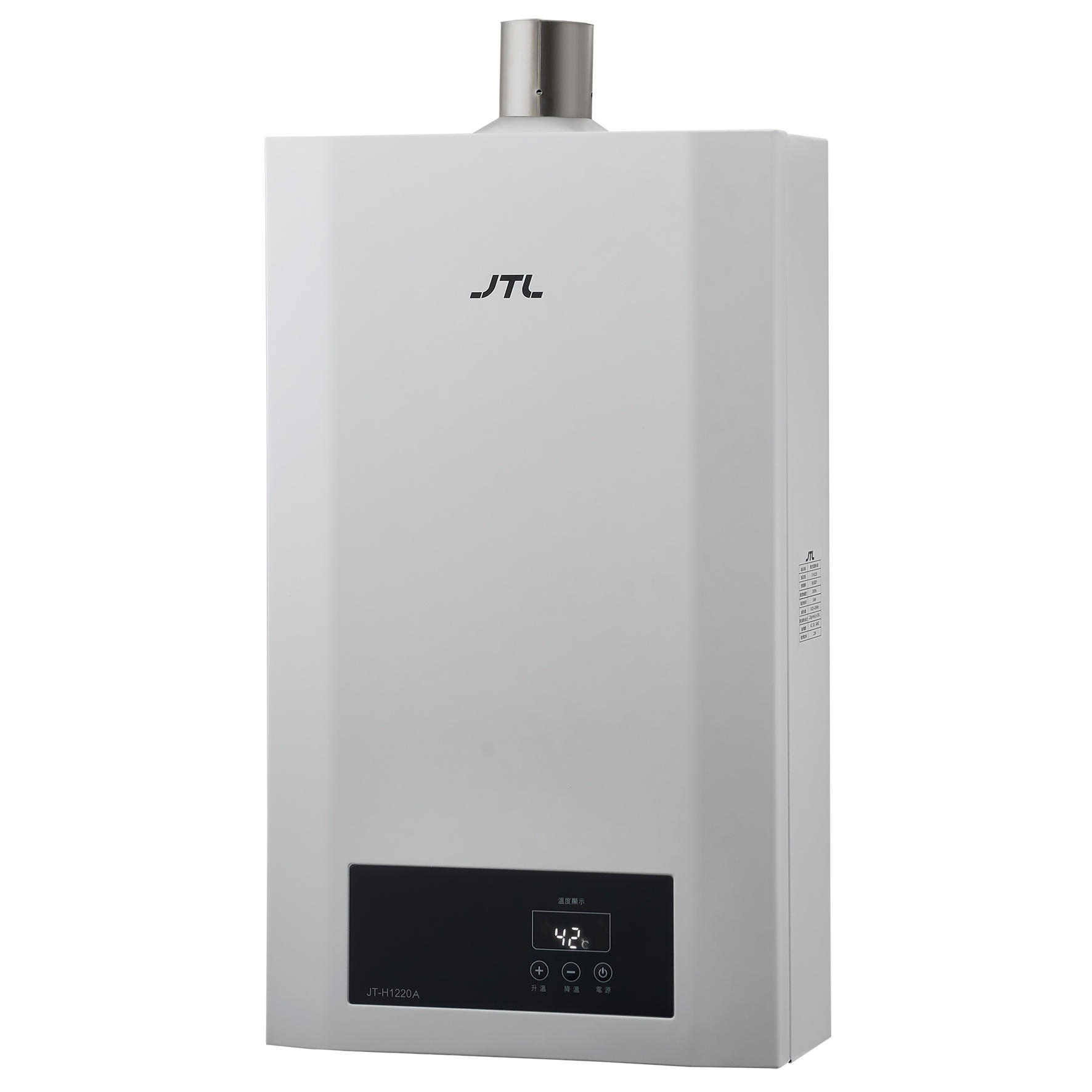
If whole-house boosting is not possible, choose a digital constant-temperature water heater with “built-in one-touch boost / turbo boost”:
For residents on high floors, in older apartments, or where pipe constraints prevent installing a whole-house pump,we strongly recommend switching directly to a major-brand water heater with a factory “one-touch boost / built-in turbo booster pump”。
Why is this better than an add-on small booster pump?
The manufacturer perfectly integrates the booster motor and the microcomputer temperature control system inside the unit. When you need high flow, one press instantly boosts pressure, and the factory computer automatically adjusts water temperature and flow,eliminating any risk of unbalanced hot/cold water pressure, mixed-water backflow, or an add-on pump leaking and failing, and it runs more quietly with guaranteed safety!
A3: It does not have to be installed on the roof! The installation location can be adjusted flexibly according to the on-site piping:
At the water meter main (most common): installed next to your own water meter on the roof.
Rear balcony / inside an indoor ceiling: if exposed pipes extend to the balcony, or the main line runs through the bathroom, kitchen or balcony ceiling, the pump can be installed directly inside the ceiling, taking up no space and not affecting the building's common areas.
A4: For home usewe strongly recommend the “electronic constant-pressure” or “inverter” type. Traditional mechanical pumps have now been almost entirely phased out. The reasons and pros and cons are compared below:
| Pump Type | Operating Noise | Flow Stability | Water Hammer Suppression | Suitable Users and Settings |
|---|---|---|---|---|
| Traditional Mechanical | ❌ Very loud(strong vibration during operation) | ❌ Water pressure fluctuates | ❌ Prone to water hammer banging | No longer recommended (does not meet residential noise standards) |
| Electronic Constant-Pressure | ⭕ Quiet(electronic pressure sensing) | ⭕ Stable pressure without fluctuation | ⭕ Effectively reduces water hammer | Best value for money! More than enough for typical homes |
| High-End Inverter | 🌟 Ultra-quiet(soft start / soft stop) | 🌟 Adjusts speed to the number of open faucets | 🌟 Completely eliminates water hammer | Top-tier choice! Those extremely sensitive to noise with an ample budget |
For typical homes, the **“electronic constant-pressure”** type offers the best value and an excellent experience; if you have very high demands for quietness and water pressure comfort, go straight for an **“inverter booster pump”** for the best results.
The key to choosing a booster pump lies in “home floor area”, “number of bathrooms” and “simultaneous water use needs”.
If the horsepower is too large (for example, a typical small family choosing 1/2 HP or more), the pressure in the pipes becomes too high, which can easily cause old pipes, water purifier RO tubing or bathroom braided hoses to burst and leak; but for a large luxury home, too little horsepower will not be enough.
We can choose precisely based on the following 3 common home layouts and scenarios :
| Horsepower Rating | Applicable Floor Area and Layout | Applicable Bathrooms and Fixtures | Simultaneous Use Performance and Advice |
|
1/4 HP (highly recommended first choice) |
Typical apartments, elevator buildings (approx. 15–40 ping, single-level layout) |
1–2 bathrooms (standard shower heads, washbasins, kitchen) |
Suitable for over 90% of standard households! Flow remains stable with 2–3 faucets open at once; quiet, the most energy-efficient, and perfectly protects indoor pipes from bursting. |
| 1/2 HP (400 type) |
Large luxury homes, townhouses, top floors of high-rises (approx. 45–80 ping, or 2–3-storey townhouse) |
3 or more bathrooms (including high-flow rain showers, large bathtubs, two bathrooms showering at once) |
Suitable for multiple bathrooms in use at the same time! Can support heavy water use at 3–4 points simultaneously. In large homes, pipes are longer and head loss is greater, so 1/2 HP ensures ample water pressure even in distant bathrooms. |
| 1 HP (800 type and above) |
Top-tier mansions of 100+ ping, multi-storey villas, guesthouses (over 100 ping, spanning multiple floors) |
4 or more bathrooms (multiple master suites, several large bathtubs filling at once, whole-house SPA equipment) |
Suitable for very long pipe runs and high flow demand! Only needed when the pipes are extremely long and there are many outlets open at once. Typical homes without such a layout should never install one blindly, as excessive pressure can damage the pipes. |
Why do most homes choose 1/4 HP (200 type)?
For the vast majority of elevator buildings and apartments with 1–2 bathrooms, 1/4 HP strikes the best balance between “ample water flow” and “protecting pipe safety”. Pipe pressure stays moderate, so your water purifier, hoses and old pipes are not exposed to unnecessary risk of bursting, and it is also the most energy-efficient and quiet.
Notes for townhouses or luxury homes choosing 1/2 HP or above:
If your home is large, has multiple bathrooms or is a townhouse and needs a 1/2 HP or 1 HP pump, we strongly recommend pairing it with an “electronic constant-pressure” or “inverter booster pump”. Because an inverter pump automatically adjusts its speed according to how many faucets are open, even a high-horsepower unit will not create excessive pressure surges when a single faucet is slightly open, making it the safest and most comfortable to use!
A6: To confirm which water meter is yours, you can use the following 3 steps to check quickly:
Turn on an indoor faucet: open a faucet at home (a little wider than usual).
Go to the roof and observe the water meters: look at the group of meters; the one whose needle or impeller wheel isspinning continuouslyis your home's water meter.
Two-person phone test (most accurate):
One person watches the water meters on the roof while the other, on the phone indoors, turns the water “on ➔ off”.
Repeat the test 2–3 times and check whether the needle starts and stops in sync to be 100% sure of the meter number.
Quick Tip: water meters are usually arranged in floor order (for example, the 3rd-floor meter is often the 3rd one), but the direction (left to right or right to left) differs between buildings, so testing by running water is always the safest way!
The product information, FAQs and usage advice on this page are compiled from practical experience and common product specifications and are for general reference only.
Different brands, models and on-site installation conditions may vary; actual use and installation methods should follow the manufacturer's specifications and on-site conditions. If you have questions about purchasing, installation or use, please refer to the manufacturer's official information, or provide on-site information so we can help with an assessment.
If anything on this page needs correction or additions, you are welcome to e-mail hc@hc888.com.tw to contact us.
No account yet?
Create an Account