


Many people assume residential fires are mostly caused by electrical short circuits or gas leaks,
but according to the National Fire Agency, Ministry of the Interior statistics, “everyday cooking” is in fact a very common cause of fires.
The National Fire Agency's analysis of recent residential fire data shows:
Residential fires as a share of building fires: about 71.6%
The top three causes of ignition are
1️⃣ Electrical factors: about 40.1%
2️⃣ Stove cooking: about 28%
3️⃣ Leftover embers/unattended flames: about 20.3%
The most common “stove cooking” scenario is:
Leaving the kitchen while cooking, causing pots to boil dry or food to burn.
For example, among the fire cases in one year's statistics from the Taipei City Fire Department,
“stove cooking” alone accounted for 241 cases, making it one of the major causes of residential fires.
That's why fire authorities have long promoted one key rule:
“Leave the stove, turn off the flame”
Whenever you leave the kitchen, turn off the stove.
As Taiwan gradually becomes an aging society,
kitchen safety has also become an important home safety issue.
When cooking, seniors may:
Forget to turn off the stove
Simmer soups or stews for too long
Step out of the kitchen to answer the phone or do something else
Once the water in the pot evaporates,
the pot's temperature rises rapidly,
which can lead to boiling dry, smoking or even fire。
This is also a situation that fire authorities
specifically warn about in residential fire prevention campaigns.
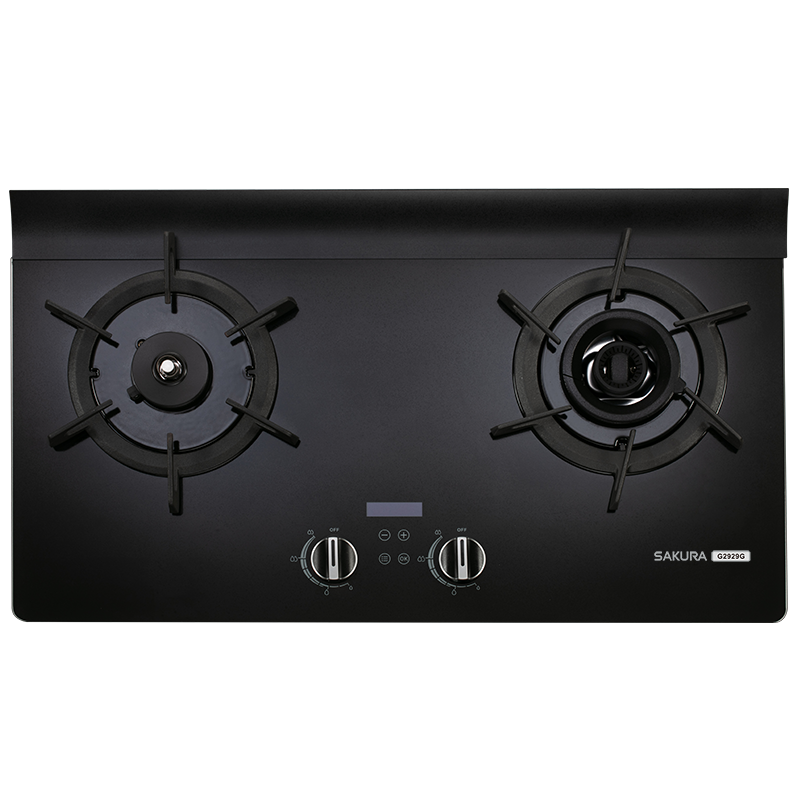
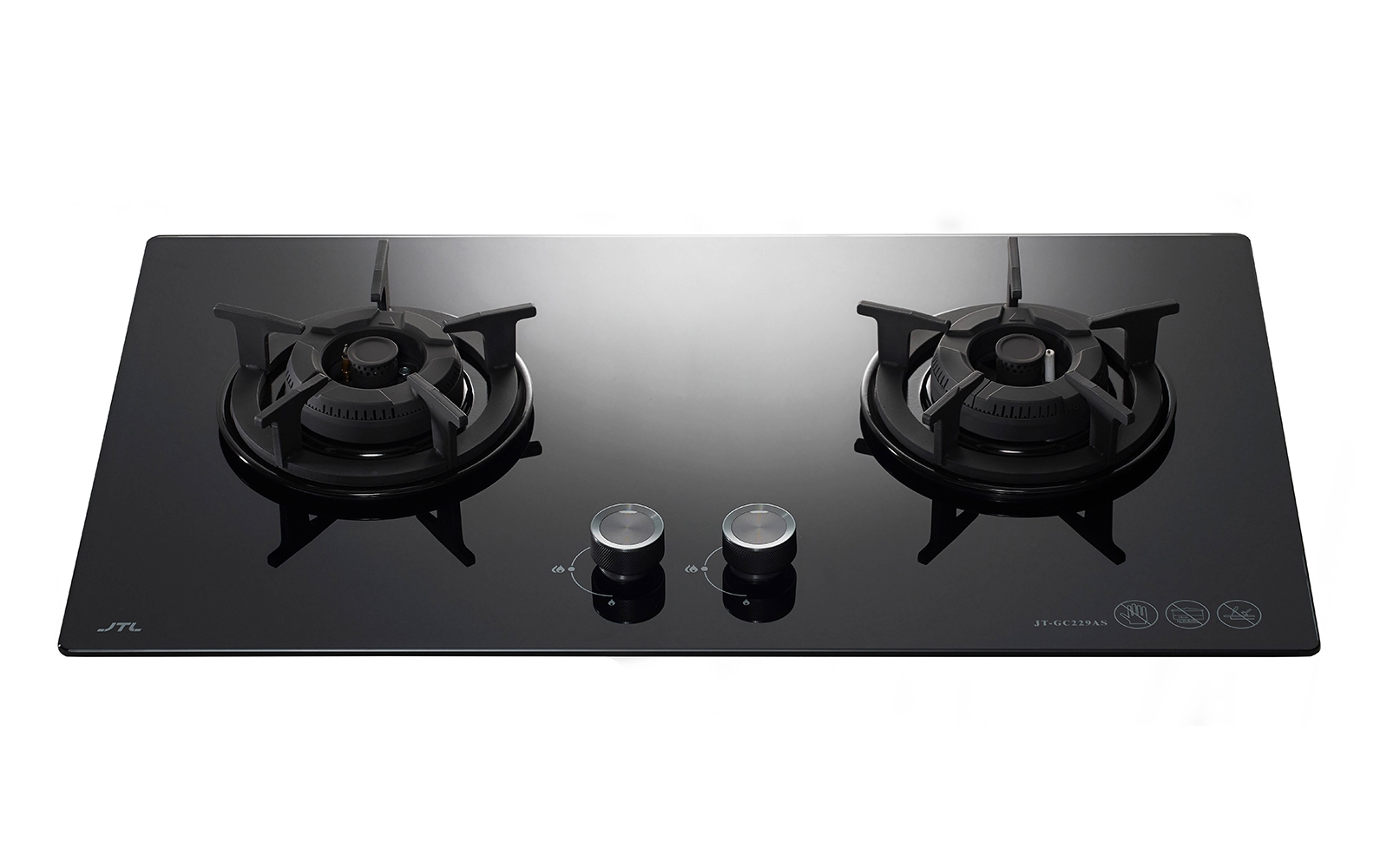
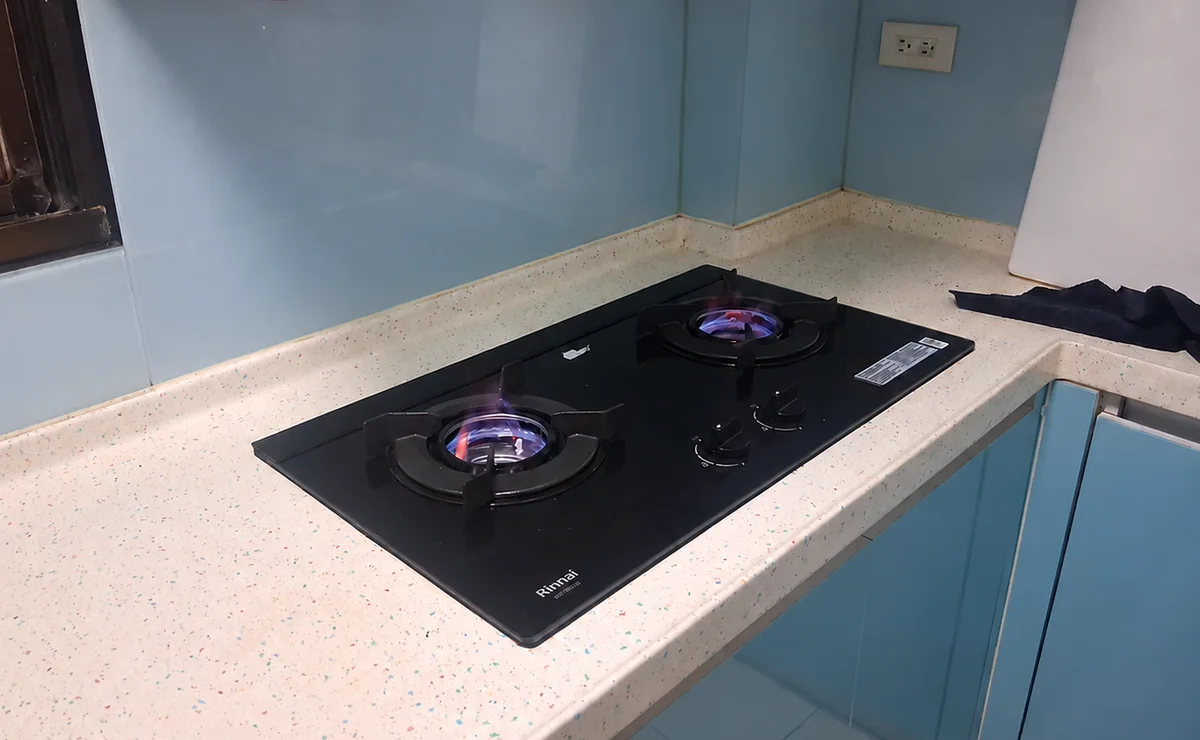
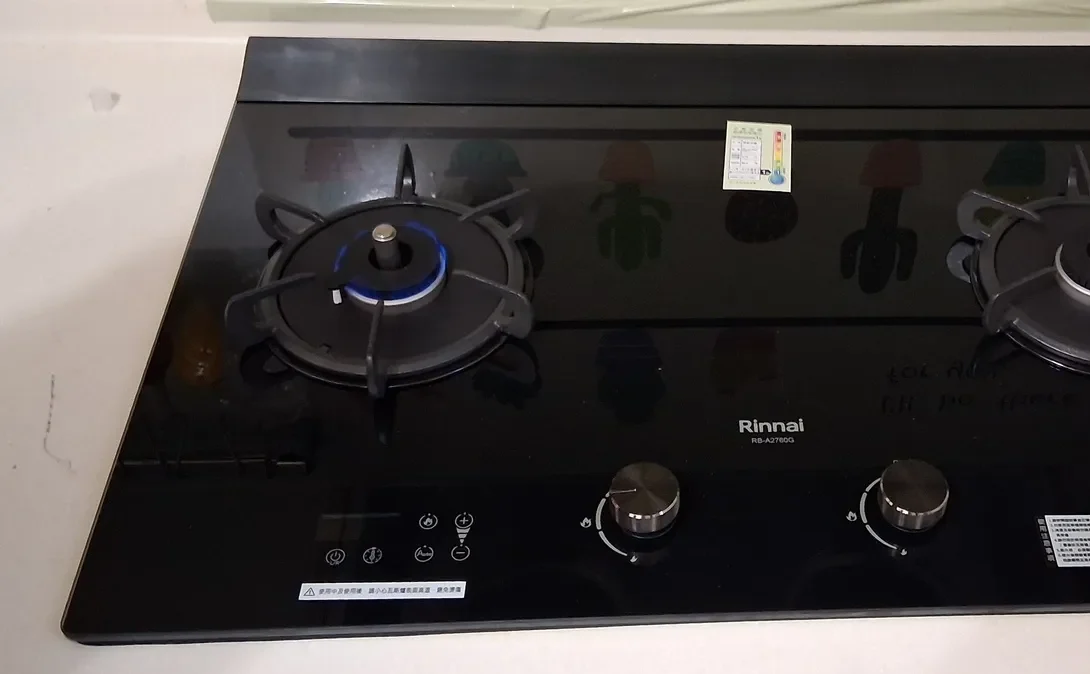
To reduce this type of fire risk, many households now choose stoves equipped with safety devices when replacing their gas stove.
Common safety features include:
Lets you set the cooking time
The flame shuts off automatically when time is up
When the bottom of the pot gets too hot
the gas is cut off automatically
If the flame goes out unexpectedly
the gas supply stops automatically
Fire authorities also recommend that consumers choose
stoves with safety devices, which can effectively reduce the risk of kitchen fires.
Many residential fires aren't caused by equipment failure,
but by a small moment of carelessness in daily life.
For example:
Leaving the kitchen while cooking
Forget to turn off the stove
A pot boiling dry
All of these can be addressed throughsafety stoves and good habitsto reduce the risk.
In an aging society, choosing equipment designed with safety in mind is also a way to protect your family.
No account yet?
Create an Account